


No matches were found for your search
Show all resultsYour cart is empty.

Glycolipids, Hyaluronic Acid
A deeply nourishing cream with Glycoderm™ complex that intensely nourishes dry skin, restores its skin barrier and softens wrinkles. Hyaluronic acid and panthenol leave skin hydrated for longer, silky-soft and supple.
Need some advice?
Explore our guide or feel free to contact us, we are here for you!
An intensive nourishing treatment that brings an immediate feeling of comfort to dry, stressed skin. This rich cream replenishes the skin’s moisture, softens the appearance of wrinkles and restores the weakened skin barrier, thanks in particular to the Glycoderm™ complex. Hyaluronic acid, glycerin and betaine help provide long-lasting hydration, while panthenol soothes and protects the skin. The cream absorbs comfortably, leaving skin feeling soft and velvety. The result is intensely nourished, smoother and more supple skin, without any unpleasant tightness. It stays hydrated for longer and feels more comfortable and resilient, with fewer deep wrinkles.
This deeply nourishing face cream is suitable for normal and dry skin, including very dry skin. It is especially suitable for:
The formula is complemented by BIO shea butter, BIO olive squalane, BIO avocado oil and BIO hemp oil.
A nourishing cream with a thicker consistency that absorbs quickly into the skin, leaving it smooth and velvety. It has a naturally delicate scent.
Apply to a cleansed face, neck and décolletage morning and evening. Gently pat and massage in.
The cream does not contain UV filters. During the day, use it alongside a product with SPF.
One press of the airless dispenser delivers approximately 0.5 ml of cream, so there’s no need to scoop it out of the container with your fingers.
Rosa Damascena Flower Water, Aqua, Squalane, Cetearyl Olivate, Sorbitan Olivate, Isoamyl Laurate, Isoamyl Cocoate, Glycerin, Honey, Phospholipids, Sphingolipids, Hyaluronic Acid, Butyl Oleate, Butyrospermum Parkii Butter, Betaine, Avena Sativa Kernel Oil, Persea Gratissima Oil, Panthenol, Ricinus Communis Seed Oil, Sodium Hyaluronate, Caproic Acid, Linoleic Acid, Linolenic Acid, Benzyl Alcohol, Dehydroacetic Acid, Benzoic Acid, Sorbic Acid, Glyceryl Stearate Citrate, Cetearyl Alcohol, Sodium PCA, Cannabis Sativa Seed Oil, Cholesterol, Cetyl Alcohol, Cera Flava, Tocopherol, Bisabolol, Sclerotium Gum, Lavandula Hybrida Grosso Herb Oil, Linalool, Linalyl Acetate
With its beautiful, intoxicating scent, this rose water of the highest quality is a completely natural product with wonderful beauty benefits. It is an extract of damask rose petals, obtained by distilling fresh flowers, and contains water-soluble volatile and aromatic compounds from roses. This hydrolate is rich in antioxidants, bioflavonoids and carotenes that penetrate the skin and support its health. Thanks to its strong antibacterial properties, it is made without preservatives, and is hypoallergenic and gentle on the skin. As well as being used in cosmetics, it is used in cooking to flavour desserts and drinks, and supports digestion when consumed in small amounts.
Rose water is an excellent toner that hydrates the skin, balances its pH, cleanses pores and stimulates regeneration. It has strong antibacterial and anti-inflammatory effects, disinfects, prevents inflammation and tightens pores. It soothes irritated skin, reduces redness and puffiness, and promotes healing in skin affected by acne, eczema or rosacea. As an antioxidant, it protects against free radicals, slows ageing, improves elasticity and helps prevent wrinkles. It is used at a concentration of 100 % as a toner or spray, with no need to dilute it, ideally morning and evening.
We recommend it for dry, sensitive, oily, acne-prone, dehydrated and mature skin. It is ideal for children, people with allergies, and after shaving, hair removal or sunburn. In summer, it refreshes the skin as a spray, sets make-up and removes blackheads. Suitable for anyone looking for natural, alcohol-free skincare.
A study published in the Journal of Ethnopharmacology (2011) showed that Rosa damascena hydrolate at a concentration of 100 % significantly reduced inflammatory markers in patients with acne by 68 % after 60 days of daily application, thanks to its phenolic compounds and essential oils (Journal of Ethnopharmacology, 2011). Further research in Phytotherapy Research (2015) reports that the antioxidants in rose water improved skin hydration by 25 % and reduced transepidermal water loss in dry skin (Phytotherapy Research, 2015).
Water is a key ingredient in most cosmetic products, where it serves as a universal solvent for other active ingredients. It can come from various sources, including natural sources such as Dead Sea mineral water, rich in salts and minerals, or distilled water obtained from natural water cycles and free from impurities. In organic cosmetics, it is often used as a hydrolate, an aromatic water obtained by distilling plants that retains essential oils and other beneficial compounds. Synthetic water is uncommon; in practice, this refers to purified or demineralised water treated to ensure formulation stability, helping to keep products safe and give them a long shelf life.
Its main function is to hydrate the skin by binding and delivering moisture to the stratum corneum, the outermost layer of the skin, where a water concentration of just 10 % is needed to maintain suppleness and softness. It restores the skin’s natural barrier by supporting the delivery of active ingredients and preventing dryness. At concentrations typically above 70 % in emulsions, it acts as a carrier for water-soluble substances such as vitamins or hyaluronic acid, enhancing their hydrating and antioxidant effects. Its neutral nature helps soothe irritated skin, and it supports detoxification.
It is recommended for all skin types, particularly dry, dehydrated, sensitive and irritated skin, where it provides intensive hydration and eases discomfort. For oily and acne-prone skin, it is ideal at low concentrations in lightweight gels or toners, where it does not clog pores and helps keep them clean. Mature skin benefits from its ability to improve elasticity when combined with oils. It is also suitable for children and newborns in soothing products.
A study published in the Journal of Cosmetic Science showed that formulations containing 80-90 % aqua combined with humectants increased stratum corneum hydration by 25 % after 4 weeks of daily use (Journal of Cosmetic Science, 2018). Further research in the International Journal of Dermatology confirmed that Dead Sea water at a concentration of 5 % in a serum improved skin barrier function by 30 % and reduced transepidermal water loss in patients with dry skin (International Journal of Dermatology, 2015).
Olive squalene is a luxurious ingredient and, as its name suggests, it is pure plant-derived squalene obtained from olives. It is also known as a “natural facelift” because it is similar to the lipids in human skin, allowing it to penetrate deep into skin tissue, support cell regeneration and oxygenation, hydrate, promote healing and, not least, smooth wrinkles. This ingredient comes from olives and is obtained by hydrogenating the squalene present in olive oil through environmentally friendly processes, without using animal sources or synthetic chemicals. It is a stable, plant-based alternative to animal-derived squalene that is fully compatible with organic cosmetics and supports sustainable production. Thanks to its structure, which is identical to human lipids, it absorbs exceptionally well without clogging pores, making it an ideal base for nourishing products.
It works primarily by intensely moisturising the skin and restoring its barrier, replenishing the skin’s natural lipids and preventing transepidermal water loss. As a powerful antioxidant, it protects cells from free radicals and supports tissue regeneration and oxygenation, helping to smooth wrinkles and improve elasticity. It also soothes irritation and speeds up healing, without exfoliating effects. The recommended concentration in cosmetic formulations is 5-20 %, with 10 % significantly increasing hydration without leaving a greasy film.
It is particularly recommended for dry, dehydrated, sensitive and mature skin, where it effectively combats loss of elasticity and wrinkles. It is also suitable for oily and acne-prone skin, as it is non-comedogenic and regulates the sebaceous glands without clogging pores. Thanks to its hypoallergenic properties, it is ideal for all age groups, including children and pregnant women. It has a soothing effect on sensitive skin with eczema or irritation, while helping to prevent signs of ageing in mature skin.
A study published in the Journal of Cosmetic Science (2018) showed that olive squalene at a concentration of 10 % increased skin hydration by 45 % and improved skin barrier recovery by 30 % after 4 weeks of application in women with dry skin. Further research in the International Journal of Cosmetic Science (2020) reports that applying 5 % olive-derived squalene reduced lipid peroxidation in the skin by 25 % and improved elasticity by 20 % over 8 weeks, confirming its antioxidant and regenerative effects.
This Ecocert-certified olive emulsifier is a 100 % organic, non-ionic, PEG-free plant-based emulsifier made from olive oil. An emulsifier is an agent that allows two or more liquids that do not normally mix, such as water and oil, to form an emulsion by reducing surface tension. It has excellent moisturising properties and helps soften the skin. It reduces moisture loss and is hypoallergenic. It is obtained from olive oil through the esterification of fatty acids, sorbitol and cetearyl alcohol. Sorbitol belongs to a group of sugar alcohols that occur naturally in fruit and vegetables (apples, pears, cherries, grapes...). It is a natural sweetener. Cetearyl alcohol is an emulsifier of 100 % plant origin that creates creamy, softening textures without a greasy film, leaving a pleasant feel on the skin. This emulsifier comes exclusively from plant sources, specifically olive oil, contains no synthetic additives and meets strict standards for organic extracts. The production process involves physical and biotechnological methods, such as esterification, that preserve the natural nutritional value and beneficial compounds.
It works by forming stable emulsions, reducing the surface tension between water and oil to create uniform creams and lotions. Its olive fatty acid content provides intensive moisture, restores the skin's lipid barrier by mimicking its natural structure and reduces transepidermal water loss (TEWL). Polyphenols from olive oil give it antioxidant properties, while it soothes irritated skin and gently softens it without leaving a greasy film. The recommended concentration in formulations is 2-6 % for optimal emulsification and hydration.
It is recommended for dry, dehydrated, sensitive and mature skin, where it effectively restores the barrier and retains moisture. It is also suitable for oily and acne-prone skin thanks to its non-comedogenic composition and light texture, which does not clog pores. Ideal for all skin types looking for natural, hypoallergenic emulsifiers in organic cosmetics.
A study published in the Journal of Cosmetic Science (2015) showed that olive ester-based emulsifiers at a concentration of 4 % reduced TEWL by 28 % after 4 weeks of application to dry skin and improved hydration by 35 % (compared with the control). Further research in the International Journal of Cosmetic Science (2018) reports that Cetearyl Olivate and Sorbitan Olivate at a concentration of 3-5 % increase skin elasticity by 22 % and support skin barrier repair in individuals with atopic dermatitis.
Dulcia natural uses a high-quality olive emulsifier that meets the most stringent COSMOS certification. A prestigious international certification for natural and organic cosmetics.

Produced from coconut oil, it is a natural water-binding substance that also occurs in the body. Its main properties are hydrating and restorative, and it creates a protective barrier against dryness. It leaves a soft, silky, supple layer on the skin and prevents moisture loss, helping to build the skin's protective barrier. Its concentration in the finished product is important. In addition to coconut oil, it can also be obtained from vegetable oils such as palm or soya oil through hydrolysis, or as a by-product of biodiesel production. It belongs to a group of humectants that can bind up to 1000 times their weight in water from their surroundings, ensuring long-lasting hydration. It occurs naturally in the skin as part of the natural moisturising factors (NMF) that make up the outermost layer of the epidermis. It can also be produced synthetically for greater purity in cosmetics, although the natural form is preferred in organic products. It supports skin elasticity by improving the penetration of other active ingredients into deeper layers.
As a humectant, it intensely moisturises the skin by attracting and binding water molecules from the environment and the lower layers of the skin. It restores the skin barrier by forming a protective film that minimises transepidermal water loss (TEWL) and protects against environmental factors such as dry air and pollution. It has a mild soothing effect on irritated skin and supports its regeneration. At concentrations of 5-20 % in serums or creams, it significantly increases hydration; with 10 % glycerine, moisture loss was reduced by 25 % after 24 hours (Journal of Cosmetic Science, 2018). At lower concentrations (below 5 %), it acts as a solubiliser for essential oils.
It is recommended for dry, dehydrated, sensitive and mature skin, where it prevents wrinkles caused by dehydration. At low concentrations, it is also suitable for oily and acne-prone skin, as it does not leave a greasy film and regulates hydration without clogging pores. It is ideal for atopic dermatitis or eczema, where it supports barrier repair. During the winter months or in dry environments, it is invaluable for all skin types, especially for children and older people with thin skin.
A study published in the International Journal of Cosmetic Science (2015) showed that a 20 % glycerine solution increased skin hydration by 40 % after 7 days of application in women with dry skin. Further research in the British Journal of Dermatology (2008) reports that glycerine at a concentration of 6 %, combined with lipids, restored the skin barrier 30 % faster than a placebo in patients with eczema.
This is a natural emollient derived from sugar beet and coconut. It is of 100% natural origin and is 100% biodegradable. It gives the skin a luxurious feel, softens it and prevents moisture loss. It gives products a lightweight, non-greasy feel. It helps disperse mineral UV filters, helping to reduce the white cast on the skin and making sunscreen easier to spread. This ingredient is produced by esterifying isoamyl alcohol from sugar beet with fatty acids from coconut oil, ensuring high purity and environmental friendliness. Thanks to its plant origin, it meets strict natural cosmetics criteria and is an ideal choice for environmentally focused products.
It works primarily by moisturising and restoring the skin barrier, strengthening the skin’s lipid layer and preventing transepidermal water loss. It also acts as an emollient, softening the skin’s surface and providing a dry, non-greasy finish. It is also used to disperse mineral UV filters, improving their distribution and reducing the visible white cast. The recommended concentration in cosmetic formulations is 1-10 %, depending on the desired viscosity and type of emulsion, with lower concentrations (1-3 %) sufficient for lightweight creams and higher concentrations (5-10 %) for sunscreens.
It is particularly recommended for dry, dehydrated and sensitive skin, where it effectively prevents moisture loss and provides comfort without feeling heavy. Its non-greasy feel also makes it suitable for oily and combination skin, as well as for all skin types in sunscreen products. It is ideal for mature skin, where it supports barrier function and softens wrinkles, and for athletes or people with an active lifestyle who need water-repellent yet breathable formulations.
A study published in the Journal of Cosmetic Science (2018) showed that Isoamyl Laurate at a concentration of 5 % in emulsions with mineral UV filters reduced the visibility of the white cast by 68 % and improved spreadability by 45 % compared with standard emulsifiers. Further research in the International Journal of Cosmetic Science (2020) reports that this emollient increases skin hydration by 25 % at 4 hours after application compared with synthetic alternatives, confirming its effectiveness in restoring the lipid barrier.
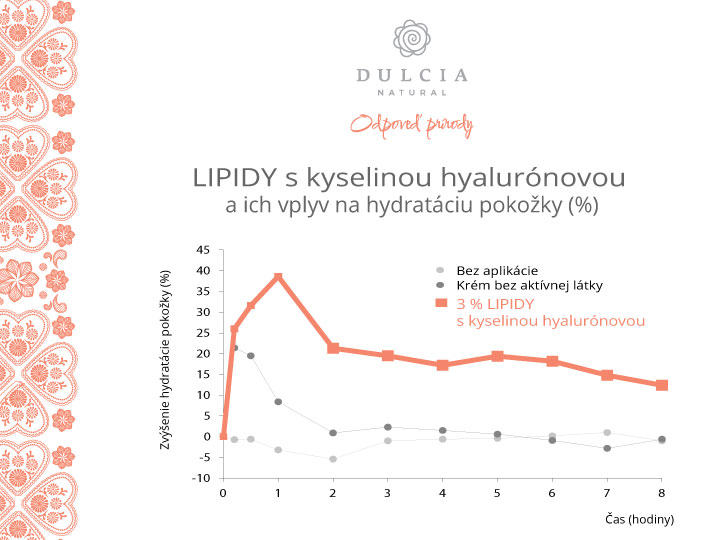
A liposomal organic moisturiser containing hyaluronic acid and natural blossom honey. Its structure promotes the rapid absorption of hyaluronic acid into the skin, providing deep hydration, helping to restore the skin’s lipid barrier function and supplying essential components that bind water to hydrate the skin. This complex is derived from natural sources, including organic blossom honey and plant lipids such as phospholipids and sphingolipids, supplemented with an organic hyaluronic acid extract. Lipids are naturally abundant in cell membranes and are among the main components of the upper layers of our skin. As we age, our skin loses these lipids. Lipids protect our skin against free radicals and microorganisms and act as a skin barrier. They retain the skin’s natural moisture, prevent water loss from its deeper layers and provide essential hydration, improving its moisture-retaining capacity. They help prevent skin ageing and maintain a youthful appearance. The ceramide complex stimulates the skin to produce more collagen.
The mechanism of action involves deep moisturising activity thanks to hyaluronic acid, which binds water in the skin, restoration of the lipid barrier through phospholipids, sphingolipids and ceramides, which make up to 50 % of the intercellular material in the stratum corneum, and antioxidant protection against free radicals. The liposomal structure ensures better penetration of active ingredients into the deeper layers of the skin, supporting cell regeneration and moisture retention. The complex stimulates collagen production and strengthens the skin’s natural defences without an exfoliating effect, instead soothing irritated skin.
It is particularly recommended for dry, dehydrated, sensitive and mature skin, where lipids are lost with age, as well as for irritated or eczema-prone skin, where it strengthens the barrier and reduces moisture loss. Suitable for all skin types, including oily and acne-prone skin with a compromised barrier, as it soothes inflammation and prevents water loss without clogging pores.
A clinical study on Ceramosides™ (plant ceramides) demonstrated a 117 % improvement in hydration and a 24 % improvement in elasticity after 28 days of oral administration (Journal of Clinical Biochemistry and Nutrition, 2011). Another study showed that topical application of ceramides in combination with cholesterol and fatty acids reduced transepidermal water loss (TEWL) by 20-30 % after 4 weeks, restoring the barrier (International Journal of Cosmetic Science, 2018).
Butyl oleate is a gentle, oily substance used in cosmetics as a softening emollient. It occurs naturally in various animal and vegetable fats, but in commercial cosmetics it is usually produced synthetically by esterifying oleic acid with butanol. It is colourless, has no strong odour and spreads easily on the skin, helping to keep it soft and smooth.
Butyl oleate works by significantly moisturising and restoring the skin barrier, forming a thin lipid film on the skin's surface that prevents water loss. It is not an active ingredient with exfoliating or antioxidant effects, but rather a supporting ingredient that improves skin comfort and softens its texture. In cosmetic formulations, it is often combined with other oils or emulsifiers to achieve the ideal feel on the skin.
Butyl oleate is particularly suitable for dry, dehydrated and sensitive skin that needs extra nourishment and help locking in moisture. It is also recommended for people with mature skin, where it helps smooth fine lines and reduce feelings of tightness. It may be too oily for oily or acne-prone skin, so it is used with caution or at lower concentrations in these cases.
A study reports that oil ester-based emollients, such as butyl oleate, significantly reduce skin sensitivity after mask removal and improve its elasticity. An experimental test with oleic acid-based emollients confirmed that the skin stays hydrated for longer and is less prone to irritation (Journal of Cosmetic Science, 2019). Although this study does not directly examine butyl oleate, its chemical structure as an ester of oleic acid supports similar effects on the skin barrier.
Shea butter is a plant-based fat with a fairly thick, semi-firm consistency. It is obtained from the nuts of the shea tree, also known as karité. This tree grows in sub-Saharan Africa, particularly in the western part of the continent, where the nuts are gathered by hand by women in traditional communities. Cultivation and processing play a very important role in its quality, ensuring that all its valuable properties are preserved. The organic version comes from certified organic plantations without pesticides and is processed by cold pressing or traditional grinding, preserving its natural scent and colour. It contains a high proportion of vitamins A, E and F. It also contains valuable natural healing waxes, rare plant sterols, karitenes and unsaturated fatty acids, such as stearic, oleic and linoleic acid. Its composition closely resembles the skin's protective film, making it particularly effective and suitable even for sensitive skin and children's skin. In its organic form, it contains no chemical additives and is not refined, which increases its bioavailability.
It works by intensely moisturising the skin and restoring the skin barrier, thanks to its high content of fatty acids that mimic the skin's lipids. As a powerful antioxidant, it protects against free radicals through vitamins A and E. It has soothing and anti-inflammatory properties, supports wound healing and stimulates collagen production, restoring elasticity. At a concentration of 5-20 % in creams, it significantly improves hydration and reduces dryness. Shea butter conditions, moisturises and rejuvenates the skin. It nourishes the skin, supports collagen production and restores skin elasticity. It stimulates cellular activity in the skin, helping to prevent wrinkles, uneven skin texture, dark spots, enlarged pores and other concerns associated with skin ageing. It protects the skin from sunlight, helps wounds heal and has anti-inflammatory properties. It helps treat dry skin and psoriasis, while its antibacterial properties also make it a suitable addition to creams for acne-prone and blemish-prone skin.
Recommended for dry, dehydrated, sensitive and mature skin, as well as children with atopic skin. Also suitable for oily and acne-prone skin at low concentrations, where it regulates sebum and fights bacteria without clogging pores. Ideal for eczema, psoriasis or burns, where it soothes irritation.
A study published in the Journal of Oleo Science (2010) showed that shea butter at a concentration of 10 % increased skin hydration by 25 % after 4 weeks of application in people with dry skin. Further research in the International Journal of Molecular Sciences (2018) reports that triterpene esters from shea butter inhibit inflammatory mediators by 40 % in vitro, supporting the healing of acne. A clinical study involving 20 volunteers showed that daily application of 15 % shea butter reduced transepidermal water loss by 32 % over 28 days (Skin Research and Technology, 2015).
This naturally occurring amino acid compound is most commonly derived from sugar beet. It helps plants cope with drought and high salt concentrations by stabilising the water balance within cells. In cosmetics, it is used as an osmolyte and humectant. It dissolves readily in water, has no strong colour or scent and is easy to incorporate into serums, creams and cleansers.
Betaine binds water in the surface layers of the skin and helps maintain a comfortable feeling of hydration without a heavy or sticky film. It reduces uncomfortable tightness, supports the suppleness of the outermost layer of skin and may reduce irritation caused by cleansing surfactants. Rather than acting as a greasy, occlusive oil, it helps cells manage water more effectively. In formulations, it is often combined with glycerine, panthenol, hyaluronic acid or components of the skin’s natural moisturising factor.
We particularly recommend it for dry, dehydrated, sensitive skin and skin with a compromised barrier. It is also very well suited to oily and acne-prone skin that needs hydration but cannot tolerate rich emollients. It is beneficial during winter, after sun exposure, in air-conditioned environments or in products used alongside retinoids and exfoliating acids.
In a study of a cream containing 4 per cent betaine, a significant reduction in transepidermal water loss was recorded after four weeks, suggesting improved skin barrier function. Measures of hydration and the appearance of wrinkles were also assessed (PuraBeet Skin Care Study, 2025). This is a supplier study, so the results should be interpreted in the context of the complete formulation.
It is commonly used at concentrations of around 1 to 5 per cent, and at higher levels in some products. It is stable across a wide pH range and is generally well tolerated. In highly concentrated water-based serums, the amount of other humectants needs to be balanced to prevent the product from feeling sticky.
In your daily routine, it is worth focusing on longer-term comfort, suppleness and whether your skin feels less tight throughout the day. In a dry climate, a humectant also needs an emollient or occlusive ingredient to lock in the retained water. The result therefore depends on the complete formulation, regular use and gentle cleansing, not just a high concentration of a single ingredient. Regular application in an appropriate amount is also important.
Oat flakes come from Avena sativa, a traditional cereal crop of northern Europe with a long history dating back to the Bronze Age. Originally considered a weed, it gradually found its place in folk medicine and cosmetics. Oat flakes are a natural oat extract produced by dehusking and steaming the grains, preserving their full nutritional value. This ingredient contains a rich range of minerals, including silicon, zinc, phosphorus, manganese, magnesium, potassium and calcium. Its unique composition allows it to work deeply on the skin at several levels and address various skin concerns.
Oat flakes work through a combination of several active components. They contain avenanthramides, specific polyphenols found exclusively in oat grains that act as powerful natural antioxidants. Beta-glucan, a soluble fibre found in oats, restores the skin’s natural barrier and retains moisture in the skin. Oat flakes act as a gentle exfoliant, removing dead skin cells without irritation. Their saponin content gives them cleansing and antimicrobial properties. The Food and Drug Administration (FDA) has confirmed the safety of colloidal oatmeal for treating dermatitis, eczema and rashes. Antioxidants, including B vitamins and vitamin E, protect cells against free radicals and UV radiation.
Oat flakes are particularly recommended for dry, sensitive, dehydrated and problem-prone skin. They provide particular relief for people suffering from eczema, allergic reactions, inflammatory skin conditions and itching. Their soothing properties also make them suitable for mature skin and skin with a compromised barrier. Scientific research has shown that oat flakes have antioxidant and anti-inflammatory properties that are effective in cases of atopic dermatitis, viral infections and psoriasis. The FDA has officially approved the use of colloidal oatmeal to treat skin conditions. Regular use of an oat face mask can tighten pores, reduce blackheads and hydrate the skin. For maximum effect, use in homemade masks or as part of a sensitive skincare routine is recommended.
Obtained from the ground fruit of the avocado tree. It is one of the oldest cultivated plants native to the Americas. Avocado oil contains vitamins A, C, B1, B2, B6, D, E and K, lecithin, gamma-linolenic acid, folic acid and a wide range of minerals – potassium, phosphorus, magnesium, manganese, copper, selenium, sodium, calcium, zinc and iron. Avocado oil has the highest content of monounsaturated fats and omega-3 fats of all oils. It contains high levels of fatty acids, phytosterols and lutein. This oil has anti-allergic properties and is suitable for all skin types, particularly dry, sagging and tired-looking skin. It is cold-pressed from the flesh of ripe fruit, preserving its bioavailable components. It is available in organic quality as a natural plant extract without synthetic additives, ideal for clean beauty formulations.
It restores skin elasticity, smooths fine lines and can even increase the amount of collagen in the skin. It is excellent in products for the eye area and for skin under extreme stress. Avocado oil is rich in minerals, vitamins and, in particular, high levels of unsaturated fatty acids. It regenerates sagging skin, effectively restores elasticity, softens the skin and eliminates wrinkles. Thanks to its potassium content, it is also referred to as the mineral of youth. It works by intensely moisturising the skin and restoring its lipid barrier, thanks to its high proportion of monounsaturated fatty acids such as oleic acid. As a powerful antioxidant rich in vitamin E, it protects against free radicals, supports healing and soothes irritation. At concentrations of 5-20 % in emulsions, it significantly improves hydration without clogging pores.
It leaves the skin fresh and radiant. It speeds up healing and regeneration, softens hardened skin and provides hydration. It is an exceptionally nourishing oil suitable for all skin types. It helps dry skin and is also effective in treating psoriasis and various forms of eczema. It can also help skin showing signs of acne and irritated skin. It is particularly recommended for dry, sensitive, dehydrated, mature and sagging skin, where it restores elasticity and protects against moisture loss. Its anti-inflammatory effects also make it suitable for skin prone to eczema or psoriasis, but it is less suitable for very oily skin that is not lacking in hydration.
A study published in the Journal of Cosmetic Dermatology (2010) demonstrated that topical application of avocado oil in combination with vitamin B12 improved wound re-epithelialisation by 45 % in rats compared with the control group. Further research in the International Journal of Cosmetic Science (2009) reports that fractionated avocado oil at a concentration of 1 % stimulated collagen production in cultured human fibroblasts by 20-30 %. A clinical study involving 32 women (Dermatologic Surgery, 2004) confirmed that serums containing 10 % avocado oil reduced the visibility of wrinkles by 25 % after 8 weeks of daily use.
Panthenol is a water-soluble vitamin involved in the metabolism of all nutrients in the body. Its name comes from Greek and means “found everywhere”. Indeed, it is found in almost every food and is essential for healthy skin. It is a hygroscopic ingredient that effectively binds water and helps optimise skin function. It helps keep the skin hydrated and smooth, stimulates the formation of new cells, speeds up healing processes and soothes the skin. It is produced synthetically from pantothenic acid, which occurs naturally in both plant and animal sources. Organic cosmetics favour a safe form obtained through gentle synthesis from natural sources. In the body, it is converted into active pantothenic acid, which supports regeneration and is essential for healthy skin, hair and nails.
Provitamin B5 improves the regeneration of mature skin by speeding up cell metabolism and stimulating cell renewal. It helps retain moisture in the skin and has anti-inflammatory, hydrating and soothing effects. It protects the skin against sunburn. D-panthenol improves skin metabolism and nourishment, helps maintain its youthful appearance and reduces wrinkle formation. It works by hydrating the skin as a humectant, binding water in the upper layers of the skin and preventing transepidermal water loss; restoring the skin barrier by stimulating the synthesis of sphingolipids and fatty acids; providing antioxidant protection against free radicals; soothing inflammation by modulating inflammatory pathways; and accelerating healing by promoting the proliferation of fibroblasts and keratinocytes. The recommended concentration in cosmetics is 0,5 % to 10 %.
Ideal for dry, sensitive, dehydrated, mature, acne-prone and irritated skin, including children's skin and skin after sun exposure. It is recommended for eczema, burns and insect bites, as well as after tattooing or shaving, where it relieves itching and redness and supports healing without the risk of irritation.
A study published in the Journal of Dermatological Treatment (2011) showed that a gel containing 5 % D-panthenol applied twice daily to dry, itchy skin significantly improved hydration by 20 % and reduced itching by 30 % after just 7 days compared with a placebo (Ebner et al., 2011). Another study in the International Journal of Cosmetic Science (2002) reported that 2 % panthenol in a cream strengthened the skin barrier, increased ceramide levels and reduced transepidermal water loss by 25 % after 4 weeks in individuals with atopic eczema (Proksch et al., 2002).
Cetearyl Alcohol is a sought-after ‘big brother’ in cosmetics: a gentle, waxy ingredient that helps create smooth, stable creams.
Unlike the common drying alcohols found in toners, this ingredient is not irritating at all; instead, it helps soften the skin. It is a solid, waxy substance derived from vegetable oils, most commonly coconut or palm oil. Its durable structure makes it biodegradable and environmentally safe, making it ideal for modern, environmentally conscious formulations.
It works by forming a delicate, occlusive film on the skin’s surface, which effectively prevents water loss. In this way, the ingredient actively softens the skin, restores the hydrolipid barrier and acts as a powerful emollient. In typical cosmetic formulations, concentrations range from 1 % to 10 %, ensuring a high level of safety and effectiveness.
We recommend it for all skin types, including very dry, dehydrated, eczema-prone or sensitive skin in need of soothing care. It is also completely safe for children, pregnant women and people with dehydrated or mature skin that needs intensive hydration and smoothing.
A notable study on the safety of this ingredient was conducted by the independent organisation Cosmetic Ingredient Review (CIR). Its comprehensive assessment confirmed that Cetearyl Alcohol is safe for use in cosmetic products, is non-toxic and does not cause allergic reactions. As CIR states: ‘Cetearyl Alcohol is considered safe at concentrations commonly used in cosmetic products, with no evidence of sensitisation or allergic reactions’ (CIR Expert Panel, Final Report on the Safety Assessment, 1988).
HA-OIL is hydrophobised hyaluronic acid dispersed in oil. It is ideal for use in hair and skin care. This raw material is obtained through biotechnological processes in which low-molecular-weight hyaluronic acid is combined with castor oil and emulsifiers for better compatibility with oil phases. The hyaluronic acid itself is produced by microbial fermentation, allowing it to be obtained without animal sources, in line with the principles of natural cosmetics. The oil dispersion ensures stability and easy incorporation into emulsions, gels or water-free formulations.
HA-OIL helps hydrate the skin and retain moisture. It contains low-molecular-weight hyaluronic acid, which penetrates into the deeper layers. It improves the skin barrier, reduces sebum and minimises pore size. It binds water to provide a plumping effect and smooth wrinkles. It supports healthy skin microflora, acts as a prebiotic ingredient and promotes the growth of beneficial bacteria on the skin's surface. Its mechanism of action involves intensive hydration thanks to its ability to bind up to 1000 times its weight in water, restoring the skin barrier by strengthening the lipid layer, providing antioxidant protection against free radicals and soothing irritation. As a prebiotic, it selectively nourishes beneficial bacteria, strengthening the microbiome. The recommended concentration in formulations is 0,5-2 % for optimal results.
It is particularly recommended for dry, dehydrated, sensitive and mature skin, where it provides intensive hydration and smooths wrinkles. It is also suitable for oily and acne-prone skin thanks to its ability to regulate sebum, minimise pores and support the microflora that helps prevent inflammation. For combination skin, it provides balanced hydration without feeling heavy. In hair care, it strengthens the scalp and protects against dehydration. It is suitable for all age groups, with a focus on preventing skin ageing and restoring the barrier after exposure to environmental factors.
A study published in the Journal of Cosmetic Dermatology (2014) showed that topical application of low-molecular-weight hyaluronic acid at a concentration of 0,1 % improved skin hydration by 96 % and elasticity by 55 % after 8 weeks of use. Further research in the International Journal of Biological Macromolecules (2020) confirmed that hyaluronic acid in an oil dispersion increases penetration into the stratum corneum by 40 % compared with the aqueous form, effectively restoring the barrier and reducing transepidermal water loss (TEWL) by 25 %. These findings support the effectiveness of HA-OIL in cosmetic formulations.
Vitamin F is obtained from natural safflower oil in a biologically active form, without genetic modification. It contains a high proportion of essential omega-6 fatty acids, including 70 to 80 % linoleic acid, which is vital for the skin’s lipid barrier. It also contains natural tocopherols that act as antioxidants. This organic extract supports the skin’s natural functions, renewal and maintenance of a healthy structure. Its safflower oil source ensures purity and quality that meet strict certification standards for natural cosmetics.
Its action is primarily based on restoring and strengthening the skin’s lipid barrier, which prevents transepidermal water loss (TEWL). It moisturises and hydrates deep within the skin’s layers, softens the surface and protects against dryness. As an antioxidant, it neutralises free radicals, helps reactivate skin cells and stimulates the production of type I collagen, hyaluronic acid and fibronectin. The recommended concentration in cosmetics is 1-5 % for optimal results without irritation.
Ideal for dry, dehydrated, sensitive and stressed skin, including acne-prone and mature skin. I recommend it for people with a compromised skin barrier, such as those with eczema, itching or flaking, with 15-20 % of the population affected by dry skin. In winter, when TEWL on the face increases by 30 %, it is invaluable for preventing dehydration and cracking. It is also suitable for oily skin lacking lipids, helping to balance its texture without clogging pores.
A study published in the Journal of Investigative Dermatology (2002) showed that applying linoleic acid at a concentration of 2 % reduced TEWL by 20 % after just 7 days in patients with atopic dermatitis and restored ceramide levels in the stratum corneum. Further research in the British Journal of Dermatology (2010) reports that topical application of essential fatty acids increased the synthesis of ceramides NP and EOS by 30-50 %, significantly improving the barrier function of dry skin.
Vitamin F Forte meets Ecocert and COSMOS certification standards, guaranteeing at least 95 % natural ingredients and sustainable sourcing. Its benefits include barrier repair, hydration and the prevention of skin ageing, making it an ideal skin-conditioning ingredient for daily care.
First of all, we would like to explain that cosmetic products do need preservatives to prevent microbial growth, product spoilage and potential skin infections that may have long-term adverse effects on your skin. Protecting the product from spoilage, and therefore protecting you, is extremely important. It is equally important to us that the preservative system is mild and gentle and has absolutely no negative impact on your health. Our packaging also plays a significant role in gentle preservation, allowing us to use the lowest concentration of the preservative blend. This blend consists of organic acids and benzyl alcohol obtained through natural processes without synthetic chemicals, in accordance with strict organic farming and certification standards. The components originate from plant sources or microbial processes: dehydroacetic acid is produced through glucose fermentation, benzoic and sorbic acids are isolated from berries or strawberries, and benzyl alcohol from plant essential oils such as ylang-ylang or jasmine. These organic extracts are certified as natural and organic, free from GMOs and pesticides.
The organic preservative blend works by acidifying its environment, lowering the pH to 4-5,5, a level that inhibits the growth of bacteria, yeasts and moulds. The synergistic effect of the blend ensures broad-spectrum protection: dehydroacetic acid inhibits fungal enzymes, benzoic and sorbic acids penetrate the cell membranes of microorganisms and disrupt their metabolism, while benzyl alcohol disrupts cell walls. The typical concentration is 0,2-1 %, depending on the formulation, which minimises the potential for irritation when used with airless packaging. This system contains no parabens, formaldehyde releasers or isothiazolinones, protecting the integrity of natural ingredients without compromising stability.
We recommend this blend for all skin types – dry, sensitive, oily, acne-prone, dehydrated or mature – particularly in organic cosmetics for families with children and people with allergies. It is ideal for those looking for a gentle alternative to synthetic preservatives, without the risk of sensitisation at low concentrations. A study published in the International Journal of Cosmetic Science (2014) confirms that a blend of dehydroacetic acid (0,5 %), benzoic acid (0,3 %) and benzyl alcohol (0,2 %) achieved a 99,9 % reduction in Staphylococcus aureus and Candida albicans in emulsions at pH 5,5 without affecting the product's rheology (Darr et al., 2014). Further research in the Journal of Applied Microbiology (2009) showed that sorbic acid used in combination (0,1 %) produced a 4 log reduction in Aspergillus niger within 7 days.
Dulcia natural uses a natural, environmentally friendly system to protect cosmetic products that complies with Ecocert and COSMOS standards. It has been developed to reduce the risk of bacterial contamination. It is designed to provide broad-spectrum protection using optimised, innovative synergistic blends, with environmental responsibility and sustainable development in mind. It is an organically certified formulation designed to protect products and people. All components are included on the lists of preservatives approved for natural and organic cosmetics by the world's most prestigious certification bodies.


Glyceryl Stearate Citrate is a gentle, plant-derived emulsifier that keeps water and oils blended in cosmetic products while softening the skin.
Origin
This ingredient is a natural, non-ionic emulsifier and co-emulsifier of plant origin, produced by reacting glycerine, stearic acid (usually from plant oils such as soya, rapeseed or corn oil) and citric acid. Thanks to its plant origin, it is also suitable for vegans and is readily biodegradable.
How it works
The main function of Glyceryl Stearate Citrate is to stabilise oil-in-water (O/W) emulsions, creating light, smooth and non-greasy product textures. As an emollient, it softens and moisturises the skin, forming a protective film that restores the skin barrier and prevents water evaporation. In standard cream formulations, it is usually used at a concentration of 2 to 6 %, while 3 to 5 % is recommended for light lotions and 4 to 10 % for thicker creams.
Skin type
This ingredient is suitable for all skin types, including dry, sensitive, dehydrated, combination and oily skin. Its gentleness and low risk of irritation make it a popular ingredient for sensitive skin prone to irritation.
Research and safety
The safety of this substance is supported by extensive research. In its official 2017 report, the Cosmetic Ingredient Review (CIR) research panel confirmed that Glyceryl Stearate Citrate is safe for use in cosmetic products at concentrations up to 5 %, with no evidence of irritation, sensitisation or toxicity when used correctly. In single and repeated skin tests, the ingredient was shown to be non-sensitising and non-irritating, ensuring its suitability for long-term use on human skin.
This is the sodium salt of a naturally occurring amino acid compound and an important component of the skin’s natural moisturising factor. It is manufactured using a clean, controlled process and used in cosmetics as a highly effective humectant. It is water-soluble and fits naturally into formulations that mimic the way a healthy outer skin layer retains moisture.
Sodium PCA attracts and retains water in the outer layer of the skin, helping to reduce roughness, flaking and tightness. It supports the suppleness of surface skin cells and improves comfort without leaving a greasy film. It is not an exfoliating acid, although the abbreviation PCA may sound technical. It works mainly as part of a moisturising system and combines well with amino acids, lactate, betaine, glycerine and hyaluronic acid.
It is particularly beneficial for dry, dehydrated, mature and sensitive skin. Its lightweight, water-based nature also makes it suitable for oily and acne-prone skin that needs to restore hydration without clogging pores. It is useful in products applied after cleansing, toners, serums, creams and treatments for dry hands or body.
A comparative study of moisturising ingredients on Asian skin showed that 1 per cent Sodium PCA increased hydration by more than 25 per cent compared with an untreated area and a placebo during the first three hours after application (Cosmetics and Toiletries, 2005). This result confirms its rapid humectant effect, rather than a long-term replacement for the lipid barrier.
Typical use levels range from around 0,2 to 5 per cent, depending on the product type. At high concentrations, it can increase stickiness, so it is combined with emollients and film-forming ingredients. It is generally very well tolerated, although the final feel depends on the formulation as a whole.
In your daily routine, it is worth assessing longer-term comfort and suppleness in particular, as well as whether your skin feels less tight during the day. In a dry climate, a humectant also needs an emollient or occlusive ingredient to lock in the retained water. The result therefore depends on the whole formulation, regular use and gentle cleansing, rather than simply a high concentration of one ingredient. Regular application in appropriate amounts is also important.
It is green in colour, contains many important nutrients and is excellent both for skin care and for consumption. It contains high levels of essential fatty acids, particularly linoleic and linolenic acid. It also contains vitamins A, B1, B2, B6, C and E, phytosterols, chlorophyll and lecithin. Hemp oil has powerful antioxidant properties and helps combat premature skin ageing. It is obtained by pressing the seeds of the Cannabis sativa plant, ideally cold-pressed to preserve its nutrients, and is available in organic, THC-free form.
Hemp oil intensely moisturises the skin thanks to its high content of omega-3 and omega-6 fatty acids, which restore the lipid barrier and maintain hydration without leaving a greasy film. It has anti-inflammatory properties, soothes irritation and supports regeneration, including wound healing and increased collagen production. Its antioxidant properties protect against free radicals and premature ageing, while its antimicrobial effects combat bacteria, fungi and viruses. It contains ceramides and GLA, which increase serum levels of essential fatty acids.
It is suitable for all skin types, especially very dry, hypersensitive, sensitive children's skin, dehydrated, oily, acne-prone and mature skin. It is recommended for skin conditions such as atopic eczema, psoriasis, dermatitis, fungal infections, seborrhoea and skin irritation caused by trapped moisture. It regulates sebum production, helps prevent clogged pores and reduces redness, making it ideal for acne-prone skin without the risk of clogging pores (comedogenic rating 0).
Clinical studies confirm the effectiveness of essential fatty acids from hemp oil in chronic inflammatory skin conditions. For example, applying hemp oil with GLA (1-4 %) significantly improved hydration and reduced inflammation in patients with atopic eczema after 20 weeks (Journal of Dermatological Treatment, 2005). Another study showed that topical application of omega-3 and omega-6 fatty acids (including ALA 18-20 %) reduced itching and dryness by 60 % in patients with psoriasis (British Journal of Dermatology, 2014).
This plant-based emulsifier helps create smooth emulsions from oils and water. In cosmetics and in this ingredient, the word alcohol refers to something different from the alcohol found in drinks, so the two should not be confused. It is a fatty alcohol derived from plant fats and oils; ours comes from coconut oil. Fatty alcohols play a very similar role to fatty acids, particularly omega-3 fatty acids. It has excellent moisturising, softening and hydrating properties. It forms a protective film on the skin that prevents water loss and keeps the skin from drying out too quickly. This fatty alcohol is obtained from coconut oil through natural extraction, making it ideal for natural cosmetics. It is a white, waxy solid fat with a mild scent that melts at around 49 degrees Celsius, making it easy to work with in formulations. Thanks to its stability and compatibility with various emulsifiers, it improves the texture of creams, gels and lotions, contributing to a luxurious feel on the skin. Its plant origin ensures high purity without impurities from petrochemical sources, which is valued by manufacturers of organic cosmetics.
Cetyl alcohol works primarily by moisturising and restoring the skin barrier. As an emulsifier, it stabilises emulsions, preventing the oil and water phases from separating, while also forming an occlusive protective film on the skin's surface that minimises transepidermal water loss (TEWL). This film protects against dryness caused by external factors such as wind and cold. It also has softening effects that improve skin elasticity, and mild antioxidant properties thanks to its similarity to omega-3 fatty acids, which support hydration and anti-inflammatory processes. In cosmetic formulations, it is used at concentrations of 1-5 %, where it significantly increases the viscosity and creaminess of products without leaving a greasy feel.
We recommend cetyl alcohol for dry, dehydrated, sensitive and mature skin, where it helps combat moisture loss and supports barrier repair. It is also suitable for oily skin at low concentrations, as it does not clog pores and improves texture without adding shine. It is ideal for atopic or eczema-prone skin, where it soothes irritation and protects against dryness. In haircare, it is valued for restoring smoothness to dry, brittle hair.
A study published in the Journal of Cosmetic Science (2004) showed that cetyl alcohol at concentrations of 2-4 % reduced transepidermal water loss by 25 % after 4 weeks of application to dry skin, significantly improving hydration and elasticity. Further research in the International Journal of Cosmetic Science (2012) confirmed that, in combination with emulsifiers, it increases emulsion stability and supports lipid barrier repair by 30 % in people with impaired skin function.
Beeswax is a natural product containing more than 280 active substances: hydrocarbons, fatty acid alkyl esters, free acids and proteins. Beeswax is rich in vitamin A, with just 100 grams of wax containing 4 096 units of vitamin A. Vitamin A is important for the growth and renewal of certain skin tissues. It is a natural product produced by bees from wax glands on their hind legs and used to build honeycombs. Organic beeswax is pure, free from contaminants and pesticides, and sourced from organic apiaries. Synthetic versions also exist, mimicking its structure for cosmetic purposes, but the organic extract retains the full spectrum of natural bioactive compounds such as flavonoids, chrysin and squalene.
It helps maintain moisture in the skin. A lack of it can cause skin dryness, loss of elasticity and itching. It is also very effective at tackling fine lines. Organic beeswax is a pure, uncontaminated product that retains its healing properties. It works wonders on skin injuries and conditions. Beeswax has antioxidant and antiseptic properties, helping to regenerate and soften the skin. It revitalises and warms the skin, stimulating circulation. It works by moisturising through a hydrophobic barrier that minimises transepidermal water loss (TEWL), restoring the skin barrier, providing antioxidant protection through carotenoids and flavonoids, soothing irritation and offering mild antiseptic properties. In cosmetics, it is used at concentrations of 1-5 % for emulsification and to form a protective film.
We recommend it for dry, sensitive, cracked, dehydrated and mature skin, as well as acne-prone and eczema-prone skin. It is ideal for people with atopic eczema or psoriasis, for nappy rash, or to help prevent dry skin in children and adults. Non-comedogenic, it does not clog pores and is suitable for oily, dehydrated skin. Suitable for all age groups, including pregnant women, provided there is no allergy.
A study published in the Journal of Clinical and Aesthetic Dermatology (2014) showed that a mixture of honey, beeswax and olive oil applied three times a day for 4 weeks significantly improved itching and fungal skin infections in patients with dermatitis. Further research in the Korean Journal of Internal Medicine (2013) confirmed the antioxidant effects of beeswax alcohols in protecting the liver, supporting its systemic benefits. A clinical study from 2014 demonstrated reduced joint pain and stiffness in 23 patients with osteoarthritis following wax application.
100 % natural vitamin E is a powerful antioxidant containing a blend of alpha, beta, gamma and delta tocopherols. Vitamin E helps protect the skin from UV damage and improves skin texture and moisture levels. Our natural vitamin E contains no chemicals or solvents. Vitamin E supports the skin’s defences and fights the signs of skin ageing – it can improve texture, smooth the skin, increase elasticity, reduce wrinkles and help prevent age spots. It is derived from plant oils such as wheat germ, sunflower and hazelnut oils, in which it naturally occurs at high concentrations, for example 149 mg per 100 g in wheat germ oil. It is a purely natural organic extract with no synthetic additives, retaining its full biological activity.
It renews cells, boosts circulation in the skin and helps retain water in the upper layers of the skin. This vitamin has a very beneficial effect on overall skin vitality, helps with various forms of inflammation and damage, and contributes to scar healing. Vitamin E is the best natural antioxidant. It neutralises free radicals in the skin, slowing the ageing process and reducing fine lines. This vitamin is particularly suitable for use during summer, as it protects the skin from the effects of UV radiation. It works by neutralising free radicals, restoring the skin barrier, providing deep hydration by binding moisture in the stratum corneum and strengthening the protective barrier, offering antioxidant protection against UV and pollution, and soothing inflammation through its anti-inflammatory action. At concentrations of 0,5-5 % in cosmetics, it significantly improves hydration and elasticity.
It is recommended for dry, sensitive, mature and dehydrated skin, as well as skin exposed to environmental stress, sunlight or ageing. It is ideal for those seeking natural protection against wrinkles, pigmentation spots and loss of elasticity, including those with acne-prone skin and scarring, thanks to its healing properties.
A study by Gensler et al. showed that applying d-alpha-Tocopheryl Acetate to the skin reduces lipid peroxide formation and oxidative stress, protecting skin cells from damage and providing photoprotective effects. Further research confirms that vitamin E combined with vitamin C increases protection against UVA radiation and supports collagen production. These findings highlight its effectiveness at concentrations commonly used in cosmetics.
Your face cream needs a secret key that naturally lets water back in and prevents it from escaping – and that is cholesterol, a substance your skin produces itself and cannot function properly without.
Cholesterol is a lipid that occurs naturally in our bodies, particularly in the skin, and is a key component of the hydrolipid barrier. Its main role in cosmetics is to support a healthy lipid structure, helping the skin retain moisture for longer. This process improves the skin's elasticity, smoothness and firmness, slowing the visible signs of ageing. A concentration of up to 5 % is recommended in cosmetic products, although it is commonly used at levels from 0,1 % to 1 %. Cholesterol also acts as an emulsifier, extending the product's shelf life and preventing it from separating.
This ingredient is particularly recommended for dry, dehydrated, sensitive and mature skin that needs to restore its protective barrier. Cholesterol is ideal for those whose skin struggles to retain water, or who use active ingredients such as AHA/BHA acids and retinoids, which can temporarily increase water loss. It should be used with caution on oily or acne-prone skin, as excessively high concentrations of cholesterol may increase sebum production and worsen acne-related problems.
A study published in a specialist journal confirmed that a combination of ceramides, cholesterol and fatty acids in a 3:1:1 ratio improved skin barrier function by 80 – 90 % in just four weeks (Epiderma.cz, 2023). This result suggests that cholesterol is not just an extra ingredient, but a key partner in skin repair and protection. That is why it is important to look for it in formulas that also contain ceramides and fatty acids – together they create a strong, resilient barrier that protects your skin from external factors.
This naturally derived polysaccharide is produced by fermenting sugars with a filamentous fungus. Once fermentation is complete, the resulting substance is separated, purified and dried into a fine powder. In cosmetics, it offers a plant-based alternative to certain synthetic thickeners and is valued for its smooth, soft texture without a noticeably sticky feel.
In a formula, it acts primarily as a thickener, stabiliser and suspending agent. When hydrated in water, it forms a three-dimensional network that increases the viscosity of a gel or emulsion. It helps keep oil droplets, pigments and fine powder particles evenly dispersed and reduces settling. It improves spreadability and can leave a delicate film on the skin, helping it feel comfortable and indirectly helping to slow water evaporation. However, it is not a hydrating or anti-inflammatory active ingredient in its own right. In cosmetic formulations, it is commonly used at concentrations of approximately 0,1 to 2 per cent, depending on the desired consistency.
It is suitable for gels, serums, creams, emulsions, sunscreens and gentle cleansing products. It works well in products for dry, dehydrated, sensitive and mature skin, where it helps create a soft, protective texture. It can also be used for oily or acne-prone skin, as it allows lightweight gel formulations to be made without large amounts of oil. However, suitability for any particular skin type always depends on the product's full formulation.
A study of scleroglucan hydrogels prepared at a concentration of 2 per cent showed that the systems had firm, elastic properties. Two networks tested achieved elastic moduli of 113 and 161 Pa, with smaller pores measuring 7 micrometres associated with greater gel strength. At a concentration of 2 grams per litre, the emulsifying capacity with a model oil reached 56 to 60 per cent (International Journal of Biological Macromolecules, 2007). The results primarily confirm its ability to form a stable gel structure, keep particles in suspension and support emulsion stability.
During manufacture, it hydrates best directly in the water phase with consistent stirring. The powder should be added gradually to avoid lumps. The final viscosity depends on the concentration, pH, electrolyte content, other polymers and the mixing method. Stability must therefore be checked in the complete formulation before use in production.
Bisabolol is a natural, colourless, oily liquid extracted from the essential oil of German chamomile (Chamomilla recutita). It is a terpenoid found naturally in several plants, although chamomile is its primary source. Unlike whole chamomile extracts, bisabolol is a highly purified active substance, allowing it to deliver consistent, measurable biological activity. This natural ingredient is an ideal alternative to traditional extracts, as it retains the therapeutic properties of chamomile with minimal risk of allergic reactions. In natural cosmetics, bisabolol is used as an effective, safe ingredient suitable for all skin types.
Bisabolol acts on the skin in several ways. Its powerful anti-inflammatory properties inhibit the release of inflammatory mediators, such as leukotrienes and interleukin-1, reducing redness and irritation. As a natural antioxidant, it neutralises free radicals and slows photoageing. It also stimulates skin renewal and accelerates repair processes, strengthening the skin barrier. Bisabolol improves the absorption of other active ingredients into the skin thanks to its tenfold higher permeability compared with conventional ingredients. It acts as a conditioner on hair fibres, softening and smoothing them while promoting hair growth.
Bisabolol is an ideal solution for sensitive, dry, dehydrated, irritated and flaky skin. Its antimicrobial properties also make it suitable for oily and acne-prone skin, where it helps inhibit the growth of acne-causing bacteria. It is also recommended for mature skin showing signs of photoageing. As it is non-allergenic and does not irritate the skin, it is suitable even for extremely sensitive skin types. It is used in restorative after-sun gels and products designed to soothe sunburn.
Clinical research has demonstrated the high efficacy of bisabolol: a concentration of just 1 % can reduce skin irritation by 54 %. Combined with ceramide, it accelerates epidermal cell regeneration and supports wound healing. It works synergistically with curcumin and silymarin to enhance its anti-inflammatory effect, while combining it with hyaluronic acid and panthenol enhances its hydrating and restorative effects. Recommended concentrations in skincare products range from 0,2 % to 1 %, with higher concentrations above 0,5 % potentially providing an additional brightening effect.
Lavandin – a fresh, herbal, bittersweet scent with a slightly camphorous note. Lavandin essential oil is obtained by steam distillation from lavender hybrids developed around 1900. Compared with traditional lavender, it has a slightly different scent and properties inherited from its parent plants, Lavandula latifolia and Lavandula angustifolia. This hybrid plant is grown mainly in France and Bulgaria, where its higher essential oil yield compared with true lavender is put to use. It is a natural product, not a synthetic one, obtained through traditional steam distillation of the plant’s fresh flowering tops, which preserves bioactive compounds such as linalool and linalyl acetate. In cosmetics, it serves as a versatile ingredient with therapeutic properties inherited from its parent plants, but with a more pronounced camphorous undertone that enhances its antiseptic effects.
Its mechanism of action includes powerful antibacterial and anti-inflammatory effects that soothe irritated skin and reduce inflammation. It improves blood circulation and supports the growth of new skin cells, restoring the skin barrier and accelerating wound healing without scarring. As an antioxidant, it fights free radicals, slows skin ageing and gives the skin a natural glow. It has mild exfoliating properties through cell regeneration and helps moisturise dry skin overall. Typical concentrations in cosmetics are 1-5 % in diluted form, providing optimal effectiveness without irritation.
It is particularly recommended for dry, sensitive, mature and acne-prone skin, where it effectively hydrates, soothes redness and fights bacteria. It is ideal for dehydrated skin in need of regeneration, problem skin affected by eczema or psoriasis, and oily, acne-prone skin thanks to its ability to regulate sebum and reduce pore size. It is also suitable for children’s sensitive skin at low concentrations.
A study confirmed that applying lavender oil at concentrations of 2 %, 4 % and 8 % visibly improved skin affected by eczema, reducing redness and skin lesions by suppressing excess inflammatory substances (Aroma Explorer, study on inflammatory skin conditions). Further research showed antibacterial effects on inflammatory acne after 4 weeks of use, with rapid improvement, reduced pore size and sebum regulation (effects of lavender on skin conditions).
When choosing packaging for LucyLab samples, we weren’t looking for a smaller version of the standard pack. We needed packaging that could keep a small amount of cosmetics in the best possible condition until it was opened. That’s why we use single-use cosmetic sachets with a volume of 2–5 ml, made from high-barrier, three-layer PET / ALU / PE laminate.
The packaging consists of 12 µm PET / 9 µm aluminium foil / 75 µm PE, with a surface weight of approximately 114 g/m². PET gives the pack strength and dimensional stability, PE forms a flexible inner layer suitable for reliable heat sealing, and the aluminium foil provides the key barrier. It blocks light and UV radiation and effectively protects the contents from oxygen and moisture. For sensitive cosmetic formulations, the sachet is a small protective vault.
Each cosmetic sachet is hermetically sealed and intended for single use. The product remains untouched by fingers and the outside environment until opened. Once open, simply squeeze the required amount directly into your palm or onto your skin. The result is easy, clean and hygienic application without a dispenser or additional components.
The 2–5 ml volume is practical as a sample of face cream, serum or another cosmetic product. The sachet is exceptionally light and flat and takes up very little space, so you can keep it in your handbag, wash bag or hand luggage.
Multi-layer PET/ALU/PE laminate provides exceptional protection while keeping packaging weight very low. As the individual layers are firmly bonded together, this type of laminate cannot currently be easily recycled in most standard recycling systems. Its environmental benefit lies mainly in its efficient use of materials and low weight. PET, aluminium and PE are among the materials also used in packaging assessed according to COSMOS and ECOCERT principles; COSMOS also takes multi-layer materials and free sample packaging into particular consideration.
The packaging is manufactured at facilities certified to ISO 9001, ISO 14001, ISO 50001 and ISO 14064-1. For LucyLab, however, what matters most is the result: a premium look, high barrier protection, hygienic single-use application and a practical format that lets you experience the product exactly as we created it.
5/5
I recommend
“kremik som si velmi oblubila :-) je prijemny pri nanasani a pride mi ze dostatocne plet hydratuje a je skvely ako podklad pod make up. Pouzivam ho ako denny krem.”
I recommend
“Je mi pres 30 let a toto je az treti krem od Dulcie,ktery upokojil me pocity pnuti,stipani a vysusenosti pleti.Mam jinak citlivou problematickou plet s mastici se T-zonou a tvare sussi.Je zvlastni ze me totalne zmatnil az vysusil i tolik opevovany Hyaluronovy kremik. Ten zkusim na letni obdobi. Ale na zimu do pretopenych mistnosti a mraziveho pocasi je tento krem Lipidovy kamarad pozehnanim :-) Skvely na noc v silnejsi vrstve a na den ve slabsi a pod make-up take luxus.Dulcia tvori vyrobky,ktere stoji za velkou pozor a ja si uzivam ty domaci lazne s jejich produkty ;-)”
I recommend
“som veľmi spokojná, vrásky sa strácajú :-)”
I recommend
“Kozmetika je výborná, už mám s ňou skúsenosti, srdečne ďakujem :-) Som maximálne spokojná. Ďakujem”
I recommend
“Dulcia skvelá, ešte ma nič nesklamalo, pre mňa ste TOP!”
Dobrý den, mam 28 let a chci se zeptat jestli je krém vhodný i pro pleť pod 30 let :) Dekuju za odpověď :)
Jana
Dobrý den, používám tento krém výživný pleťový krém s lipidy na noc. Chtěla jsem se zeptat, jak vrstvit s pleťovým olejem, když je krém relativně hodně hustý? Děkuji :)
Adéla
Dobrý deň prajem, Chcela by som poradiť, mám dost citlivú pokožku ku sklonom k alergiam.. dlhé roky si neviem vybrat stáli krem kedže zvyčajne po pol roku mi nejaký favorit začne nevyhovať. Mám 23 rokov a plet je podľa mna málo hydratovaná, T zona ma trošku pory mastnejšie oproti iným častiam ale nanazvala by som ju mastnu.. väčšina kremov mi po čase začne robit na tvári take akoby mini mini vyražky červené. Takže od kremu chcem aby moju plet vyslovene vyživil ale zaroven neupchal pory.. Mám alergiu na kamilky, aleo vera, ružovu vodu aj čierne uhlie. Skúšala som šípkový kremik od vás ale nesadol mi, vysypala som sa po nom trošku. Hydratačný krem s Kyselinou hyauronovou mi tiež nesadol po 4 dnoch, takže tiež som ho darovala .. Chcela som vyskušat hydratačný krem ale pride mi podla popisu že by to na vyživenie pleti nestačilo.. viete mi prosím poradiť, neviem si už rady ? používam od vás mydrové orechy a tie su skvelé.. Ďakujem krásne ≤3
katarina
Dobry den, chcem sa spytat, ked by som nechcela iny krem pouzivat iba tento, je vhodny aj na slnecne obdobie? Kedze obsahuje olej z mrkvovych semien, ktory ako som citala, nie je vhodny na slnenie, kedze, ako pisali, este viac otvara bunky slnecnemu ziareniu. Chcela by som krem pouzivat bezne v lete, mam alergicku, citlivu, jemnu ale starnucu plet, tento krem by mi po skuske asi vyhovoval, ale nechcela by som vyvolat pigmentove flaky alebo nejake pokodenie hlavne materskych znamienok alebo pripadnych uz vzniklych ekzemov, ktore mavam obcas pod ocami. dakujem vopred za odpoved.
Katarina
Dobrý deň. Nakupujem u vás pravidelne ale predsa chcem poradiť. Mám 36 rokov sem tam sa mi robí akné, v minulosti som mala ak e a ostali mi fliaciky. Neviem, ktorý krém je premna vhodný mám pocit, že my pleť starne...nieje suchá ani mastná. Ďakujem Používam aj mydlove orechy na čistenie.
Lucia


