


No matches were found for your search
Show all resultsYour cart is empty.


Peptides, Hyaluronic Acid
Luxurious creamy serum with collagen, hyaluronic acid and ALGAKTIV® Collage peptides keeps skin hydrated for up to 24 hours after application, smooths wrinkles and leaves it plumper, firmer and radiant.
Need some advice?
Explore our guide or feel free to contact us, we are here for you!
This luxurious cream serum delivers intense hydration and helps skin look plumper, firmer and smoother. A sophisticated blend of collagen, hyaluronic acid and the ALGAKTIV® Collage peptide complex smooths fine lines and wrinkles, supports elasticity and has been shown to increase skin hydration for up to 24 hours after application. The formula is enriched with BIO olive squalane and BIO marula oil, which nourish the skin and help protect it from moisture loss. The silky, milky texture absorbs quickly without leaving a greasy film, leaving skin feeling fresh, firm and soft, with a radiant appearance.
This hydrating serum with collagen is suitable for normal, dry, oily and combination skin. It is particularly suited to:
The formula is complemented by BIO aloe vera juice and vitamin F, essential fatty acids.
A lightweight milky serum with a delicate creamy-white colour. It has a very subtle floral scent.
Apply to a cleansed face, neck and décolletage morning and evening. Gently massage in circular motions until absorbed. The serum comes in an airless container: simply press the pump and apply. This means you don’t need to scoop the product out with your fingers.
Rosa Damascena Flower Water, Squalane, Sclerocarya Birrea Seed Oil, Aloe Barbadensis Leaf Juice, Cetearyl Olivate, Sorbitan Olivate, Soluble Collagen, Glycerin, Collagen Amino Acids, Propanediol, Haematococcus Pluvialis Extract, Aqua, Rhamnose, Glucose, Glucuronic Acid, Linoleic Acid, Linolenic Acid, Tocopherol, Benzyl Alcohol, Dehydroacetic Acid, Sorbic Acid, Benzoic Acid, Citric Acid, Sodium Benzoate, Potassium Sorbate, Sodium Hyaluronate, Lavandula Angustifolia Oil, Cymbopogon Martini Oil, Limonene, Linalool, Geraniol, Citronellol, Farnesol
With its beautiful, intoxicating scent, this rose water of the highest quality is a completely natural product with wonderful beauty benefits. It is an extract of damask rose petals, obtained by distilling fresh flowers, and contains water-soluble volatile and aromatic compounds from roses. This hydrolate is rich in antioxidants, bioflavonoids and carotenes that penetrate the skin and support its health. Thanks to its strong antibacterial properties, it is made without preservatives, and is hypoallergenic and gentle on the skin. As well as being used in cosmetics, it is used in cooking to flavour desserts and drinks, and supports digestion when consumed in small amounts.
Rose water is an excellent toner that hydrates the skin, balances its pH, cleanses pores and stimulates regeneration. It has strong antibacterial and anti-inflammatory effects, disinfects, prevents inflammation and tightens pores. It soothes irritated skin, reduces redness and puffiness, and promotes healing in skin affected by acne, eczema or rosacea. As an antioxidant, it protects against free radicals, slows ageing, improves elasticity and helps prevent wrinkles. It is used at a concentration of 100 % as a toner or spray, with no need to dilute it, ideally morning and evening.
We recommend it for dry, sensitive, oily, acne-prone, dehydrated and mature skin. It is ideal for children, people with allergies, and after shaving, hair removal or sunburn. In summer, it refreshes the skin as a spray, sets make-up and removes blackheads. Suitable for anyone looking for natural, alcohol-free skincare.
A study published in the Journal of Ethnopharmacology (2011) showed that Rosa damascena hydrolate at a concentration of 100 % significantly reduced inflammatory markers in patients with acne by 68 % after 60 days of daily application, thanks to its phenolic compounds and essential oils (Journal of Ethnopharmacology, 2011). Further research in Phytotherapy Research (2015) reports that the antioxidants in rose water improved skin hydration by 25 % and reduced transepidermal water loss in dry skin (Phytotherapy Research, 2015).
Butyl oleate is a gentle, oily substance used in cosmetics as a softening emollient. It occurs naturally in various animal and vegetable fats, but in commercial cosmetics it is usually produced synthetically by esterifying oleic acid with butanol. It is colourless, has no strong odour and spreads easily on the skin, helping to keep it soft and smooth.
Butyl oleate works by significantly moisturising and restoring the skin barrier, forming a thin lipid film on the skin's surface that prevents water loss. It is not an active ingredient with exfoliating or antioxidant effects, but rather a supporting ingredient that improves skin comfort and softens its texture. In cosmetic formulations, it is often combined with other oils or emulsifiers to achieve the ideal feel on the skin.
Butyl oleate is particularly suitable for dry, dehydrated and sensitive skin that needs extra nourishment and help locking in moisture. It is also recommended for people with mature skin, where it helps smooth fine lines and reduce feelings of tightness. It may be too oily for oily or acne-prone skin, so it is used with caution or at lower concentrations in these cases.
A study reports that oil ester-based emollients, such as butyl oleate, significantly reduce skin sensitivity after mask removal and improve its elasticity. An experimental test with oleic acid-based emollients confirmed that the skin stays hydrated for longer and is less prone to irritation (Journal of Cosmetic Science, 2019). Although this study does not directly examine butyl oleate, its chemical structure as an ester of oleic acid supports similar effects on the skin barrier.
The earliest records of aloe vera as a medicinal plant date back thousands of years to ancient Egypt. Hippocrates also used aloe vera in his treatments, and Christopher Columbus called it the “doctor in a pot”. Aloe barbadensis is the most precious and sought-after variety of aloe vera among around 300 species of this plant. Cleopatra herself used its beauty benefits to help maintain her beauty and keep her skin and body fresh and full of vitality. Aloe vera is a source of a wide range of vital elements, including vitamins (A, B1, B2, B6, B12, C, E), minerals (calcium, phosphorus, potassium, sodium, chlorine, as well as manganese, copper, zinc and chromium), amino acids (aloe vera contains as many as eight essential amino acids), and even enzymes, lectins and saponins – active substances that act against viruses, bacteria, fungi and infections. “Cleansing” lignin allows substances to penetrate deep into the skin. Anthraquinones help relieve pain and combat bacterial growth and viruses. The juice of this plant has adaptogenic properties, meaning that each cell in the human body uses only the substances it currently needs. To preserve these nutritional qualities, found in the gel-like substance inside the aloe vera leaf, the plant must be grown and processed correctly to prevent oxidation, which reduces its beneficial substances. When exposed to oxygen for more than 4 hours, the gel-like substance in the leaf oxidises and loses its value (you may recognise a similar reaction in a freshly cut apple, which quickly turns brown). Aloe must be stabilised. Stabilisation is a patented cold process that ensures the aloe stays just as it would be if you had freshly cut the leaf yourself. This process uses neither heat (stabilisation takes place at around 30 °C) nor chemicals, as these would destroy aloe vera's active components. Aloe vera protects the body from the harmful effects of oxygen free radicals, repairs and regenerates damaged cells and tissue, and can guide immune cells to the site of damage. Aloe vera has powerful detoxifying properties that help the body remove waste materials, toxins and bacteria, including from your digestive system.
Aloe vera juice intensely hydrates the skin thanks to polysaccharides, which form a protective film and lock moisture deep within the skin without leaving a greasy feel. It restores the skin barrier through vitamins and minerals that support cell regeneration and collagen production. As an antioxidant, it protects vitamins C, E and beta-carotene from free radicals, slowing skin ageing. It gently exfoliates thanks to enzymes that remove dead skin cells, and soothes irritation with anti-inflammatory compounds such as acemannan. Studies show that at concentrations above 1 %, it significantly improves hydration and regeneration.
Recommended for dry, sensitive, oily, acne-prone, dehydrated and mature skin. Ideal for reactive skin after sun exposure, shaving or treatments, where it soothes redness. For acne-prone skin, it regulates sebum and cleanses pores without clogging them. For mature skin, it supports elasticity and reduces wrinkles.
A study published in the Journal of Dermatological Treatment (2009) showed that aloe vera gel at a concentration of 0,5 % accelerated wound healing by 72 % compared with the control group after 12 days. Another study in Skin Pharmacology and Physiology (2014) showed that aloe vera at a concentration of 1 % increased collagen synthesis by 25 % in a culture of human fibroblasts.
Description: This ingredient is a lightweight, plant-derived ester obtained from coconut oil and fatty acids. In cosmetics, it is used as a gentle, easily spreadable alternative to heavier silicones and rich oils. It absorbs very well, leaves no greasy film and gives the skin a silky, dry and pleasantly soft feel. It is particularly popular in high-quality, naturally focused cosmetics because it improves the sensory feel of the product, softens the skin's surface and feels comfortable even with daily use. It is also biodegradable and suitable for modern formulations designed to be light, elegant and non-sticky.
Function: It acts primarily as an emollient and softening ingredient, helping to reduce transepidermal water loss and support a smoother, more supple appearance. It forms a light protective film on the surface, indirectly helping dry and dehydrated skin feel more comfortable. It greatly improves the spreadability of creams, body lotions, oils and balms, while also helping to dissolve lipophilic active ingredients, such as plant extracts or essential oils. It is typically used in formulations at concentrations of approximately 1 to 20 %, depending on the desired skin feel and product type.
Recommendations: It is suitable for dry, dehydrated, sensitive and mature skin that needs softening without a heavy, greasy feel. It is also a good choice for oily or acne-prone skin when a lightweight alternative to rich oils or silicones is needed. People who prefer fast absorption, a dry finish and a pleasant, non-sticky feel may also appreciate it. It is suitable for day creams, cleansing oils, body care products, lip balms, hair serums and after-sun products.
Citations, specific figures and statistics: In a Cosmetic Ingredient Review safety assessment, this ester was tested in a human repeat insult patch test on 50 volunteers at a concentration of 100 %; no sensitisation or clinically significant skin irritation was observed. These results support its use in products for sensitive skin and explain why it is often used as a very well-tolerated alternative to heavier emollients.
Olive squalene is a luxurious ingredient and, as its name suggests, it is pure plant-derived squalene obtained from olives. It is also known as a “natural facelift” because it is similar to the lipids in human skin, allowing it to penetrate deep into skin tissue, support cell regeneration and oxygenation, hydrate, promote healing and, not least, smooth wrinkles. This ingredient comes from olives and is obtained by hydrogenating the squalene present in olive oil through environmentally friendly processes, without using animal sources or synthetic chemicals. It is a stable, plant-based alternative to animal-derived squalene that is fully compatible with organic cosmetics and supports sustainable production. Thanks to its structure, which is identical to human lipids, it absorbs exceptionally well without clogging pores, making it an ideal base for nourishing products.
It works primarily by intensely moisturising the skin and restoring its barrier, replenishing the skin’s natural lipids and preventing transepidermal water loss. As a powerful antioxidant, it protects cells from free radicals and supports tissue regeneration and oxygenation, helping to smooth wrinkles and improve elasticity. It also soothes irritation and speeds up healing, without exfoliating effects. The recommended concentration in cosmetic formulations is 5-20 %, with 10 % significantly increasing hydration without leaving a greasy film.
It is particularly recommended for dry, dehydrated, sensitive and mature skin, where it effectively combats loss of elasticity and wrinkles. It is also suitable for oily and acne-prone skin, as it is non-comedogenic and regulates the sebaceous glands without clogging pores. Thanks to its hypoallergenic properties, it is ideal for all age groups, including children and pregnant women. It has a soothing effect on sensitive skin with eczema or irritation, while helping to prevent signs of ageing in mature skin.
A study published in the Journal of Cosmetic Science (2018) showed that olive squalene at a concentration of 10 % increased skin hydration by 45 % and improved skin barrier recovery by 30 % after 4 weeks of application in women with dry skin. Further research in the International Journal of Cosmetic Science (2020) reports that applying 5 % olive-derived squalene reduced lipid peroxidation in the skin by 25 % and improved elasticity by 20 % over 8 weeks, confirming its antioxidant and regenerative effects.
Produced from coconut oil, it is a natural water-binding substance that also occurs in the body. Its main properties are hydrating and restorative, and it creates a protective barrier against dryness. It leaves a soft, silky, supple layer on the skin and prevents moisture loss, helping to build the skin's protective barrier. Its concentration in the finished product is important. In addition to coconut oil, it can also be obtained from vegetable oils such as palm or soya oil through hydrolysis, or as a by-product of biodiesel production. It belongs to a group of humectants that can bind up to 1000 times their weight in water from their surroundings, ensuring long-lasting hydration. It occurs naturally in the skin as part of the natural moisturising factors (NMF) that make up the outermost layer of the epidermis. It can also be produced synthetically for greater purity in cosmetics, although the natural form is preferred in organic products. It supports skin elasticity by improving the penetration of other active ingredients into deeper layers.
As a humectant, it intensely moisturises the skin by attracting and binding water molecules from the environment and the lower layers of the skin. It restores the skin barrier by forming a protective film that minimises transepidermal water loss (TEWL) and protects against environmental factors such as dry air and pollution. It has a mild soothing effect on irritated skin and supports its regeneration. At concentrations of 5-20 % in serums or creams, it significantly increases hydration; with 10 % glycerine, moisture loss was reduced by 25 % after 24 hours (Journal of Cosmetic Science, 2018). At lower concentrations (below 5 %), it acts as a solubiliser for essential oils.
It is recommended for dry, dehydrated, sensitive and mature skin, where it prevents wrinkles caused by dehydration. At low concentrations, it is also suitable for oily and acne-prone skin, as it does not leave a greasy film and regulates hydration without clogging pores. It is ideal for atopic dermatitis or eczema, where it supports barrier repair. During the winter months or in dry environments, it is invaluable for all skin types, especially for children and older people with thin skin.
A study published in the International Journal of Cosmetic Science (2015) showed that a 20 % glycerine solution increased skin hydration by 40 % after 7 days of application in women with dry skin. Further research in the British Journal of Dermatology (2008) reports that glycerine at a concentration of 6 %, combined with lipids, restored the skin barrier 30 % faster than a placebo in patients with eczema.
Description
Marula oil is obtained by cold-pressing the seeds of the fruit of the African sclerocarya birrea, a tree native to the African savannahs. It is a natural, unrefined extract rich in bioactive compounds. The oil has a golden-yellow colour and is one of the most precious natural cosmetic ingredients. Its African origins and traditional use in local skincare give it a long history among plant oils. Like all natural carrier oils, it is a liquid fat pressed from organic sources without synthetic processing.
Function
Marula oil works on several levels in cosmetics. Its primary role is as an intensive moisturiser – polyunsaturated fatty acids (omega-6 and omega-9) penetrate deep into the skin and strengthen the cellular barrier, helping to retain moisture. It also acts as a powerful antioxidant thanks to its vitamin C, tocopherol (vitamin E) and ferulic acid content. Ferulic acid in this oil matrix neutralises free radicals caused by UV radiation and pollution, and research suggests that it enhances antioxidant effectiveness when combined with vitamin C. The oil also stimulates collagen and elastin production, supporting skin regeneration and elasticity. Its lightweight texture ensures that it does not clog pores and absorbs quickly.
Recommendations
Marula oil is recommended for dry, mature, dehydrated and sensitive skin. Its highly moisturising and anti-inflammatory properties make it ideal for those experiencing dryness and the first signs of ageing. Its anti-ageing effect makes it a preferred choice for mature skin. Thanks to its lightweight texture and non-comedogenic properties, it is also well tolerated by those with more problem-prone and sensitive skin. The oil is suitable for virtually all skin types, including combination skin.
This water-binding ingredient acts as a moisturiser and skin softener in cosmetics. It helps active ingredients penetrate the skin. Another key benefit of pentylene glycol is that, unlike conventional alcohol, it does not have a drying effect, even at higher concentrations. Pentylene glycol is an excellent aid for macerating herbs. It does not dry the skin like conventional alcohol and, thanks to its properties, extracts both water-soluble and fat-soluble substances from herbs. Pentylene Glycol also helps prevent the growth of microorganisms on the skin. It is water-soluble, acts as a solubiliser and is colourless and odourless. Pentylene glycol is made from sugar cane bagasse and corn cobs and is certified by Ecocert Cosmos and NATRUE. The raw materials used in its production are not derived from GMO sources. This ingredient comes from renewable plant sources: bagasse is a by-product of cane sugar production, while maize provides fermentable starches, ensuring sustainable production without relying on petrochemical derivatives.
Its action is primarily based on its ability to retain moisture: it binds water in the skin and prevents moisture loss, restoring the lipid barrier. It also has antimicrobial properties that inhibit the growth of bacteria and fungi, allowing it to act as a gentle preservative. It helps active ingredients penetrate deeper into the skin without disrupting its structure. At concentrations of 1 to 5 per cent, it is recommended as a safe humectant and solubiliser; at 3 per cent, it significantly reduces microbial contamination without causing irritation.
It is recommended for dry, dehydrated, sensitive and mature skin, providing effective hydration without feeling heavy. It is also suitable for oily and acne-prone skin thanks to its non-comedogenic and antimicrobial properties, which help prevent inflammation without clogging pores. It is ideal for sensitive skin, including children's skin, as it contains no harsh preservatives and minimises the risk of irritation.
A study published in the International Journal of Cosmetic Science (2012) showed that pentylene glycol at a concentration of 4 per cent inhibits the growth of Staphylococcus aureus by 99,9 per cent and Candida albicans by 99,8 per cent after 48 hours of exposure, confirming its strong antimicrobial effects while remaining safe for the skin. Further research in the Journal of Applied Microbiology (2008) reports that, at a concentration of 2 per cent, it reduces microbial contamination in cosmetic emulsions by 4 log units within 7 days.
A 100% plant-derived emulsifier. A blend of sugar and the naturally occurring substance stearic acid. In nature, sucrose is found in most fruit and vegetables. Usually sourced from sugar cane and sugar beet, sucrose is the raw material used to produce ordinary white sugar, a common ingredient in many foods. Stearic acid is a fatty acid found in high concentrations in shea butter and cocoa butter. These raw materials are obtained from renewable plant sources, ensuring they are fully compatible with the principles of natural cosmetics. The manufacturing process involves esterifying sucrose with stearic acid, creating a non-ionic emulsifier with low ecotoxicity and high biodegradability. Dulcia natural uses high-quality sugar esters that meet the strictest Ecocert and COSMOS certification standards, the world's most prestigious certifications for natural and organic cosmetics.
It is an emollient that softens the skin and smooths its texture, provides hydration, reduces skin irritation and leaves skin feeling soothed. As an emulsifier, it stabilises emulsions in creams, lotions and gels, ensuring an even distribution of active ingredients. It works by promoting the formation of a protective lipid film on the skin's surface to help retain moisture, restoring the skin barrier through the emollient properties of stearic acid, and soothing irritation with its gentle texture. At concentrations of 2-5 %, it significantly improves the flow and texture of products and makes them feel more comfortable on the skin without greasiness.
It is recommended for dry, sensitive, dehydrated and mature skin, where it effectively hydrates and strengthens the skin barrier. It is also suitable for oily and acne-prone skin in lightweight formulations, as it does not clog pores and reduces irritation caused by other ingredients. A study published in the International Journal of Cosmetic Science (2015) showed that sucrose stearate at a concentration of 3 % reduced transepidermal water loss by 25 % after 4 weeks of application to dry skin and improved skin elasticity by 18 % (Draelos et al., 2015). Further research in the Journal of Surfactants and Detergents (2018) confirmed that at a concentration of 4 %, it provides excellent emulsion stability at pH 5-7 and minimises irritation compared with synthetic emulsifiers.


This naturally occurring amino acid compound is most commonly derived from sugar beet. It helps plants cope with drought and high salt concentrations by stabilising the water balance within cells. In cosmetics, it is used as an osmolyte and humectant. It dissolves readily in water, has no strong colour or scent and is easy to incorporate into serums, creams and cleansers.
Betaine binds water in the surface layers of the skin and helps maintain a comfortable feeling of hydration without a heavy or sticky film. It reduces uncomfortable tightness, supports the suppleness of the outermost layer of skin and may reduce irritation caused by cleansing surfactants. Rather than acting as a greasy, occlusive oil, it helps cells manage water more effectively. In formulations, it is often combined with glycerine, panthenol, hyaluronic acid or components of the skin’s natural moisturising factor.
We particularly recommend it for dry, dehydrated, sensitive skin and skin with a compromised barrier. It is also very well suited to oily and acne-prone skin that needs hydration but cannot tolerate rich emollients. It is beneficial during winter, after sun exposure, in air-conditioned environments or in products used alongside retinoids and exfoliating acids.
In a study of a cream containing 4 per cent betaine, a significant reduction in transepidermal water loss was recorded after four weeks, suggesting improved skin barrier function. Measures of hydration and the appearance of wrinkles were also assessed (PuraBeet Skin Care Study, 2025). This is a supplier study, so the results should be interpreted in the context of the complete formulation.
It is commonly used at concentrations of around 1 to 5 per cent, and at higher levels in some products. It is stable across a wide pH range and is generally well tolerated. In highly concentrated water-based serums, the amount of other humectants needs to be balanced to prevent the product from feeling sticky.
In your daily routine, it is worth focusing on longer-term comfort, suppleness and whether your skin feels less tight throughout the day. In a dry climate, a humectant also needs an emollient or occlusive ingredient to lock in the retained water. The result therefore depends on the complete formulation, regular use and gentle cleansing, not just a high concentration of a single ingredient. Regular application in an appropriate amount is also important.
Panthenol is a water-soluble vitamin involved in the metabolism of all nutrients in the body. Its name comes from Greek and means “found everywhere”. Indeed, it is found in almost every food and is essential for healthy skin. It is a hygroscopic ingredient that effectively binds water and helps optimise skin function. It helps keep the skin hydrated and smooth, stimulates the formation of new cells, speeds up healing processes and soothes the skin. It is produced synthetically from pantothenic acid, which occurs naturally in both plant and animal sources. Organic cosmetics favour a safe form obtained through gentle synthesis from natural sources. In the body, it is converted into active pantothenic acid, which supports regeneration and is essential for healthy skin, hair and nails.
Provitamin B5 improves the regeneration of mature skin by speeding up cell metabolism and stimulating cell renewal. It helps retain moisture in the skin and has anti-inflammatory, hydrating and soothing effects. It protects the skin against sunburn. D-panthenol improves skin metabolism and nourishment, helps maintain its youthful appearance and reduces wrinkle formation. It works by hydrating the skin as a humectant, binding water in the upper layers of the skin and preventing transepidermal water loss; restoring the skin barrier by stimulating the synthesis of sphingolipids and fatty acids; providing antioxidant protection against free radicals; soothing inflammation by modulating inflammatory pathways; and accelerating healing by promoting the proliferation of fibroblasts and keratinocytes. The recommended concentration in cosmetics is 0,5 % to 10 %.
Ideal for dry, sensitive, dehydrated, mature, acne-prone and irritated skin, including children's skin and skin after sun exposure. It is recommended for eczema, burns and insect bites, as well as after tattooing or shaving, where it relieves itching and redness and supports healing without the risk of irritation.
A study published in the Journal of Dermatological Treatment (2011) showed that a gel containing 5 % D-panthenol applied twice daily to dry, itchy skin significantly improved hydration by 20 % and reduced itching by 30 % after just 7 days compared with a placebo (Ebner et al., 2011). Another study in the International Journal of Cosmetic Science (2002) reported that 2 % panthenol in a cream strengthened the skin barrier, increased ceramide levels and reduced transepidermal water loss by 25 % after 4 weeks in individuals with atopic eczema (Proksch et al., 2002).
This ingredient comes from the extremophilic microalga Haematococcus pluvialis, which grows in Iceland's harsh conditions and produces astaxanthin to protect itself against stress. It is obtained through a biotechnological process using upcycled biomass, which means using waste from astaxanthin production to create high-value active ingredients. It contains vegan collagen peptides standardised for glycine, proline and hydroxyproline, together with spermidine, which supports collagen synthesis. It stimulates collagen and elastin production, supports skin firmness and elasticity and protects against free radicals. It is GMO-free, vegan and certified by ECOCERT, COSMOS, RSPO and NATRUE, with high stability and easy incorporation into water-based formulations.
Its mechanism of action involves stimulating native collagen production in the dermal layer, restoring hydration channels (aquaporins) and providing immediate hydration with long-term moisture retention. It strengthens the skin barrier, firms the skin and provides antioxidant protection thanks to astaxanthin. In in vitro tests, it increases collagen production by 27,96 % at a concentration of 0,5 % and by 40,37 % at 1 %. It provides hydrating benefits comparable to those of hyaluronic acid, with a 34 % increase in hydration at 0,5 %. Clinical studies confirmed a 2,2-fold improvement in firmness and a 3,4-fold improvement in plumping after 7 days at 1 %, a threefold improvement in hydration after 28 days and a 14 % reduction in wrinkles after 10 minutes at 3 %.
It is recommended for dry, dehydrated and mature skin, skin with reduced elasticity, and sensitive skin prone to environmental stress. Ideal for anti-ageing products, hydrating serums and creams for visible firming and plumping. Suitable for vegan and natural formulations where you are looking for both rapid and long-term effects without synthetic additives.
A clinical study using a 3 % concentration showed a 35 % increase in hydration after 10 minutes compared with 7 % for the placebo, with a lasting effect for up to 24 hours and a 14 % reduction in wrinkles (Premium Beauty News, 2023). Another study at 2 % demonstrated a 30 % increase in hydration after 1 hour, maintained for 24 hours. In vitro tests confirmed a 40,37 % increase in collagen production at 1 % (Cosmetics Business, 2023).
Collagen is a protein responsible for the skin's youthful appearance. It is made up of several types of amino acids and keeps the skin supple and firm. Collagen is an integral part of the human body and is essential for skin elasticity. As we age, our bodies produce less of it naturally. Collagen provides hydration in the skin and improves firmness and elasticity. It softens wrinkled tissue, smoothing and refining it. It helps prevent wrinkles and premature skin ageing. In addition to its structural properties, collagen can also support the growth and healing of almost all body tissues. It accounts for 70 to 80 per cent of the skin's total dry weight and makes up approximately 30 per cent of all proteins in the body. A collagen fibre with a diameter of 1 mm can withstand a static load of up to 20 kg, giving the skin strength and integrity. It plays an active role in skin healing and is a fundamental building block of connective tissues such as skin, bones and tendons.
Collagen moisturises the skin thanks to its high water-binding capacity and strong affinity for the skin, providing immediate hydration. It supports the skin barrier, reduces the appearance of fine lines, softens the skin and reduces irritation caused by harsh surfactants. It has an exceptional ability to bind water and adhere to the skin. It moisturises the skin immediately. It supports the skin barrier. It reduces the appearance of fine lines. It softens the skin. It reduces irritation caused by harsh surfactants. In cosmetics, it is used in a soluble form, often hydrolysed or as atelocollagen, to improve absorption, as the native molecule is too large to penetrate the dermis.
It is particularly recommended for dry, dehydrated, mature, sensitive and tired skin, where it improves hydration, elasticity and firmness. It is also suitable for skin showing the first signs of ageing, wrinkles, sagging or damage such as stretch marks or scars. Thanks to its non-irritating and non-allergenic properties, it is safe for all skin types, including problem skin with acne or maskne, and can be used during pregnancy.
A study in women showed that taking hydrolysed collagen orally (2,5 g daily) improved skin hydration by 28 per cent and elasticity by 19 per cent after 8 weeks (Journal of Medicinal Food, 2014). Another study confirmed that topical application of collagen peptides at a concentration of 0,1 per cent increased collagen synthesis in fibroblasts by 20 per cent and reduced wrinkles after 4 weeks (International Journal of Cosmetic Science, 2015). Collagen makes up 70 per cent of the skin's dry weight and binds water for long-lasting hydration.
Vitamin F is obtained from natural safflower oil in a biologically active form, without genetic modification. It contains a high proportion of essential omega-6 fatty acids, including 70 to 80 % linoleic acid, which is vital for the skin’s lipid barrier. It also contains natural tocopherols that act as antioxidants. This organic extract supports the skin’s natural functions, renewal and maintenance of a healthy structure. Its safflower oil source ensures purity and quality that meet strict certification standards for natural cosmetics.
Its action is primarily based on restoring and strengthening the skin’s lipid barrier, which prevents transepidermal water loss (TEWL). It moisturises and hydrates deep within the skin’s layers, softens the surface and protects against dryness. As an antioxidant, it neutralises free radicals, helps reactivate skin cells and stimulates the production of type I collagen, hyaluronic acid and fibronectin. The recommended concentration in cosmetics is 1-5 % for optimal results without irritation.
Ideal for dry, dehydrated, sensitive and stressed skin, including acne-prone and mature skin. I recommend it for people with a compromised skin barrier, such as those with eczema, itching or flaking, with 15-20 % of the population affected by dry skin. In winter, when TEWL on the face increases by 30 %, it is invaluable for preventing dehydration and cracking. It is also suitable for oily skin lacking lipids, helping to balance its texture without clogging pores.
A study published in the Journal of Investigative Dermatology (2002) showed that applying linoleic acid at a concentration of 2 % reduced TEWL by 20 % after just 7 days in patients with atopic dermatitis and restored ceramide levels in the stratum corneum. Further research in the British Journal of Dermatology (2010) reports that topical application of essential fatty acids increased the synthesis of ceramides NP and EOS by 30-50 %, significantly improving the barrier function of dry skin.
Vitamin F Forte meets Ecocert and COSMOS certification standards, guaranteeing at least 95 % natural ingredients and sustainable sourcing. Its benefits include barrier repair, hydration and the prevention of skin ageing, making it an ideal skin-conditioning ingredient for daily care.
Teflose® is a modern cosmetic ingredient developed in the laboratory to soothe the skin and protect it from bacterial threats. It is produced not by chemical synthesis but through natural bacterial fermentation, making it an unrivalled bio-extract with a unique structure. It is based on polysaccharides containing rhamnose, glucose and glucuronic acid, which form a delicate, almost imperceptible protective film on the skin, similar to a Teflon surface. This film prevents bacteria from attaching to the skin, helping to keep its microbiota balanced.
The ingredient has a twofold action: it soothes irritated skin while creating an anti-inflammatory barrier against bacteria that cause dysbiosis. Teflose® effectively manages problems associated with an imbalance in the microbiota, such as acne, atypical dermatitis or unpleasant odour, while also providing pronounced soothing and anti-inflammatory effects. Although its exact concentration in everyday products is not always stated, its mechanism clearly targets bacterial adhesion, virulence and biofilm formation, supporting healthy skin without the excessive proliferation of harmful microorganisms.
This ingredient is ideal for dry, sensitive, dehydrated and blemish-prone skin that is susceptible to acne or atopic dermatitis. It is recommended for anyone with reactive skin that reddens easily, or skin that needs to recover after aggressive procedures such as peels, laser treatments or sun exposure. It is also suitable for children, as it does not cause allergic reactions and is certified for use in organic cosmetics.
Scientific evidence confirms the effectiveness of rhamnose, a key component of Teflose®. A study published in the Journal of Investigative Dermatology showed that rhamnose and rutinose inhibit the activity of elastase, hyaluronidase and collagenase, which contribute to skin ageing. An important finding was that applying rhamnose increased the production of type I collagen, directly strengthening the skin's structure and preventing wrinkles from forming. This result is key to anti-ageing skincare programmes, where rhamnose not only soothes but actively works to restore skin elasticity.
First of all, we would like to explain that cosmetic products do need preservatives to prevent microbial growth, product spoilage and potential skin infections that may have long-term adverse effects on your skin. Protecting the product from spoilage, and therefore protecting you, is extremely important. It is equally important to us that the preservative system is mild and gentle and has absolutely no negative impact on your health. Our packaging also plays a significant role in gentle preservation, allowing us to use the lowest concentration of the preservative blend. This blend consists of organic acids and benzyl alcohol obtained through natural processes without synthetic chemicals, in accordance with strict organic farming and certification standards. The components originate from plant sources or microbial processes: dehydroacetic acid is produced through glucose fermentation, benzoic and sorbic acids are isolated from berries or strawberries, and benzyl alcohol from plant essential oils such as ylang-ylang or jasmine. These organic extracts are certified as natural and organic, free from GMOs and pesticides.
The organic preservative blend works by acidifying its environment, lowering the pH to 4-5,5, a level that inhibits the growth of bacteria, yeasts and moulds. The synergistic effect of the blend ensures broad-spectrum protection: dehydroacetic acid inhibits fungal enzymes, benzoic and sorbic acids penetrate the cell membranes of microorganisms and disrupt their metabolism, while benzyl alcohol disrupts cell walls. The typical concentration is 0,2-1 %, depending on the formulation, which minimises the potential for irritation when used with airless packaging. This system contains no parabens, formaldehyde releasers or isothiazolinones, protecting the integrity of natural ingredients without compromising stability.
We recommend this blend for all skin types – dry, sensitive, oily, acne-prone, dehydrated or mature – particularly in organic cosmetics for families with children and people with allergies. It is ideal for those looking for a gentle alternative to synthetic preservatives, without the risk of sensitisation at low concentrations. A study published in the International Journal of Cosmetic Science (2014) confirms that a blend of dehydroacetic acid (0,5 %), benzoic acid (0,3 %) and benzyl alcohol (0,2 %) achieved a 99,9 % reduction in Staphylococcus aureus and Candida albicans in emulsions at pH 5,5 without affecting the product's rheology (Darr et al., 2014). Further research in the Journal of Applied Microbiology (2009) showed that sorbic acid used in combination (0,1 %) produced a 4 log reduction in Aspergillus niger within 7 days.
Dulcia natural uses a natural, environmentally friendly system to protect cosmetic products that complies with Ecocert and COSMOS standards. It has been developed to reduce the risk of bacterial contamination. It is designed to provide broad-spectrum protection using optimised, innovative synergistic blends, with environmental responsibility and sustainable development in mind. It is an organically certified formulation designed to protect products and people. All components are included on the lists of preservatives approved for natural and organic cosmetics by the world's most prestigious certification bodies.

Ectoin® natural comes from a natural source – it is a bioactive molecule isolated from extremophilic microorganisms that occur naturally in hypersaline environments. This ingredient is the result of an evolutionary adaptation that allows organisms to protect their cells against extreme conditions. Ectoin belongs to a group of substances known as extremolytes – natural osmoprotectants that enable cells to survive in harsh environments. Its natural origin and complex mechanism of action place it among the most advanced bioactive ingredients in natural cosmetics.
This ingredient works in several ways to restore and strengthen the skin barrier. Ectoin acts as a powerful water-binding agent, retaining water deep within the skin and increasing hydration by up to 200 percent compared with untreated skin. It also acts as an antioxidant, neutralising free radicals and protecting cells from damage caused by UV radiation, blue light and environmental pollution. Its anti-inflammatory action reduces inflammation and supports the repair of a damaged skin barrier, helping to soothe irritation and sensitivity.
Ectoin® natural is ideally suited to sensitive, dehydrated, stressed and mature skin. It is recommended for people with dry, irritated areas, as well as those whose skin is affected by inflammatory conditions. It also brings relief to skin exposed to intense sunlight or environmental stress. Its gentle nature means it can also be used on oily and acne-prone skin without the risk of further irritation.
Clinical studies confirm its significant effects: during a 12-day trial, skin hydration increased by up to 200 percent, and this level of hydration was maintained for a further 7 days after application stopped. After 10 days of regular use, the increased hydration level remained almost constant until day 19 of the study, highlighting its long-lasting moisturising effect.
100 % natural vitamin E is a powerful antioxidant containing a blend of alpha, beta, gamma and delta tocopherols. Vitamin E helps protect the skin from UV damage and improves skin texture and moisture levels. Our natural vitamin E contains no chemicals or solvents. Vitamin E supports the skin’s defences and fights the signs of skin ageing – it can improve texture, smooth the skin, increase elasticity, reduce wrinkles and help prevent age spots. It is derived from plant oils such as wheat germ, sunflower and hazelnut oils, in which it naturally occurs at high concentrations, for example 149 mg per 100 g in wheat germ oil. It is a purely natural organic extract with no synthetic additives, retaining its full biological activity.
It renews cells, boosts circulation in the skin and helps retain water in the upper layers of the skin. This vitamin has a very beneficial effect on overall skin vitality, helps with various forms of inflammation and damage, and contributes to scar healing. Vitamin E is the best natural antioxidant. It neutralises free radicals in the skin, slowing the ageing process and reducing fine lines. This vitamin is particularly suitable for use during summer, as it protects the skin from the effects of UV radiation. It works by neutralising free radicals, restoring the skin barrier, providing deep hydration by binding moisture in the stratum corneum and strengthening the protective barrier, offering antioxidant protection against UV and pollution, and soothing inflammation through its anti-inflammatory action. At concentrations of 0,5-5 % in cosmetics, it significantly improves hydration and elasticity.
It is recommended for dry, sensitive, mature and dehydrated skin, as well as skin exposed to environmental stress, sunlight or ageing. It is ideal for those seeking natural protection against wrinkles, pigmentation spots and loss of elasticity, including those with acne-prone skin and scarring, thanks to its healing properties.
A study by Gensler et al. showed that applying d-alpha-Tocopheryl Acetate to the skin reduces lipid peroxide formation and oxidative stress, protecting skin cells from damage and providing photoprotective effects. Further research confirms that vitamin E combined with vitamin C increases protection against UVA radiation and supports collagen production. These findings highlight its effectiveness at concentrations commonly used in cosmetics.
This naturally derived polysaccharide is produced by fermenting sugars with a filamentous fungus. Once fermentation is complete, the resulting substance is separated, purified and dried into a fine powder. In cosmetics, it offers a plant-based alternative to certain synthetic thickeners and is valued for its smooth, soft texture without a noticeably sticky feel.
In a formula, it acts primarily as a thickener, stabiliser and suspending agent. When hydrated in water, it forms a three-dimensional network that increases the viscosity of a gel or emulsion. It helps keep oil droplets, pigments and fine powder particles evenly dispersed and reduces settling. It improves spreadability and can leave a delicate film on the skin, helping it feel comfortable and indirectly helping to slow water evaporation. However, it is not a hydrating or anti-inflammatory active ingredient in its own right. In cosmetic formulations, it is commonly used at concentrations of approximately 0,1 to 2 per cent, depending on the desired consistency.
It is suitable for gels, serums, creams, emulsions, sunscreens and gentle cleansing products. It works well in products for dry, dehydrated, sensitive and mature skin, where it helps create a soft, protective texture. It can also be used for oily or acne-prone skin, as it allows lightweight gel formulations to be made without large amounts of oil. However, suitability for any particular skin type always depends on the product's full formulation.
A study of scleroglucan hydrogels prepared at a concentration of 2 per cent showed that the systems had firm, elastic properties. Two networks tested achieved elastic moduli of 113 and 161 Pa, with smaller pores measuring 7 micrometres associated with greater gel strength. At a concentration of 2 grams per litre, the emulsifying capacity with a model oil reached 56 to 60 per cent (International Journal of Biological Macromolecules, 2007). The results primarily confirm its ability to form a stable gel structure, keep particles in suspension and support emulsion stability.
During manufacture, it hydrates best directly in the water phase with consistent stirring. The powder should be added gradually to avoid lumps. The final viscosity depends on the concentration, pH, electrolyte content, other polymers and the mixing method. Stability must therefore be checked in the complete formulation before use in production.
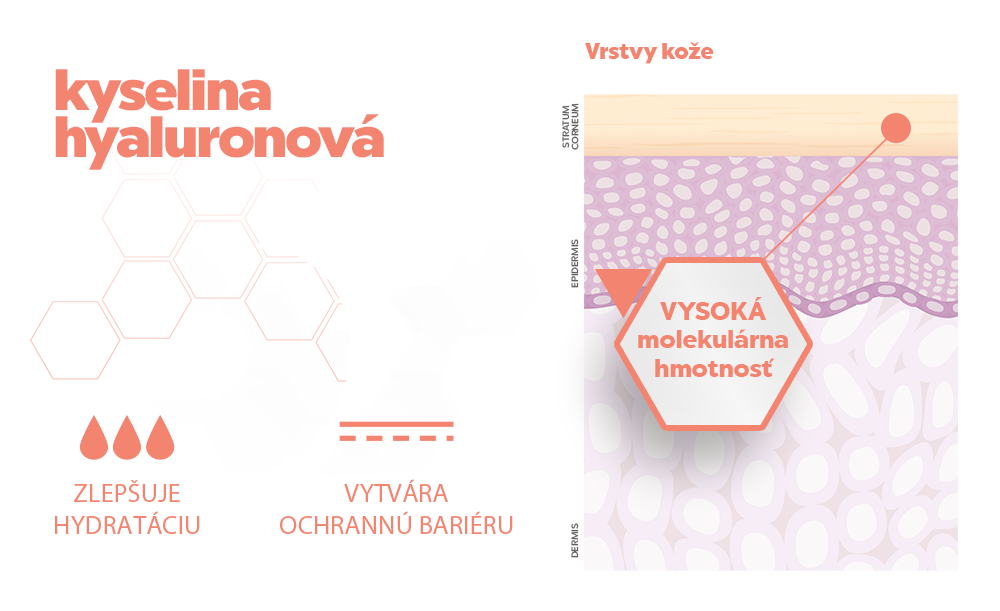
A transparent substance with an exceptional ability to bind moisture, it works like a sponge, absorbing up to a thousand times its own weight in water. It is found in every tissue in the body, particularly in areas that depend on moisture, such as the vitreous humour of the eye, connective tissue and synovial fluid in the joints. It is naturally present in the diet, so nutrition helps stimulate its production in the body. Its concentration in the skin decreases significantly with age, leading to reduced water retention in the skin's connective tissue and resulting in less elastic skin that is prone to wrinkles. It is used to reduce wrinkles, fine lines, sagging skin, scars and post-acne pigmentation. It creates space within tissues for the transport of substances essential for natural cell regeneration, enhancing the skin's ability to regenerate. It is used in the treatment of burns and skin ulcers to restore hydration. It protects against external factors, maintains firmness and elasticity, smooths deeper wrinkles, neutralises free radicals, prevents stretch marks, corrects skin imperfections, speeds up wound healing and minimises scarring. It improves the supply of nutrients from deeper structures to the surface layers. It is obtained from microorganisms through biotechnological processes, ensuring high purity and compatibility with natural cosmetics. The grade used is of the highest global quality, sourced from a leading manufacturer with Ecocert and COSMOS certifications for natural and organic cosmetics.
Its main mechanism of action is intensive moisturisation: it binds and retains water on the skin's surface, restoring the lipid barrier and supporting its protective functions. Its high molecular weight prevents deep penetration, so it remains in the upper layers as a hydrating film that protects against transepidermal water loss. It also has mild antioxidant properties, neutralising free radicals and helping to soothe irritated skin. The recommended concentration in creams is the maximum specified by the manufacturer, typically 0,1-1 % for surface hydration.
It is particularly recommended for dry, dehydrated, sensitive and mature skin, where it intensively replenishes moisture and reduces wrinkles. It is suitable for all skin types, including oily and acne-prone skin, as it does not clog pores and regulates hydration without leaving a greasy film. It is ideal for people with skin damaged by environmental factors or following intensive treatments.
A study published in the Journal of Clinical and Aesthetic Dermatology (2014) showed that topical application of a 0,1 % solution increases skin hydration by 96 % after a single use and maintains the effect for up to 6 hours. Further research in the International Journal of Biological Macromolecules (2018) confirmed that the high-molecular-weight form improves skin elasticity by 20 % after 4 weeks of daily use at a concentration of 0,5 %.
Certifications: Ecocert and COSMOS – the world's strictest standards for natural cosmetics.
Xanthan gum is a fine powder obtained by fermenting sugar. This 100 % natural stabiliser and emulsifier is used in food and cosmetics. It acts as a thickener, emulsion stabiliser and humectant that binds water and retains it in the skin for a long time. It is obtained by fermenting glucose and sucrose. Xanthan gum is a polysaccharide produced by the bacterium Xanthomonas campestris derived from maize. No genetically modified raw materials are used in its production. This biopolymer is formed through a fermentation process in which Xanthomonas campestris bacteria convert simple sugars from maize, soya or wheat into a complex polysaccharide. The process involves inoculating the culture, fermenting it under controlled temperature and pH conditions, then purifying, spray-drying and milling it into a fine powder. Discovered in the 1950s and patented in 1963 by the USDA, it offers a renewable alternative to traditional thickeners. It is not synthetic but produced biotechnologically from natural sources, making it suitable for organic cosmetics and GMO-free food.
Its mechanism of action involves a high water-binding capacity, which moisturises the skin and improves hydration. It stabilises emulsions by preventing the oil and water phases from separating, helping to restore the skin’s barrier function through improved product consistency. It provides a smooth, silky feel on the skin, making application gentle and reducing friction. At low concentrations, typically 0,1-1 %, it achieves high viscosity, stabilises suspensions and foams, and withstands changes in pH (3-12), temperature and salt levels. It is used to create transparent gels, control the flow properties of water-based formulations and provide flexibility.
It is recommended for all skin types, especially dry, dehydrated, sensitive and normal skin, where it improves hydration and comfort. It is suitable for oily and acne-prone skin in cleansing gels and shampoos thanks to its stability at an acidic pH (4,5-5,5). In creams and serums for mature skin, it supports the skin barrier. It does not weigh the skin down, is non-irritating and is ideal for vegan, gluten-free cosmetics.
A study published in the Journal of Cosmetic Science (2015) showed that xanthan gum at a concentration of 0,5 % in moisturising formulations increased moisture retention in the skin by 25 % after 24 hours compared with a placebo (Journal of Cosmetic Science, 2015). Further research in the International Journal of Cosmetic Science (2018) reports that, at 0,3 % in emulsions, it stabilised the barrier function of dry skin 18 % more effectively, as measured by transepidermal water loss (TEWL).
Lavender is an aromatic medicinal plant. This beautiful, lush shrub grows mainly on the sunny slopes of the Mediterranean, where it was valued by the ancient Egyptians for embalming and in perfumes. Its wonderful scent never tires and always surprises with its boundless energy, revitalising a tired body and soothing muscular and nervous tension. Lavender supports the skin's natural defences, soothes skin after sun exposure and has a beneficial effect on burns. Lavender oil has anti-inflammatory and antiseptic properties and is used to treat eczema and fungal infections. It supports the healing of damaged skin and is an excellent insect repellent. Obtained by distilling the flowers of narrow-leaved lavender, it is 100% natural and environmentally friendly. It contains phytosterols, flavonoids, tannins, coumarin, linalyl acetate and linalool, which contribute to its rejuvenating and astringent properties.
Lavender oil soothes irritated skin, has anti-inflammatory and antimicrobial properties, regenerates skin and speeds up wound healing. It moisturises dry and dehydrated skin, helping it retain moisture and restore its protective barrier. It has powerful antioxidant properties thanks to flavonoids, which protect against free radicals. The antibacterial properties of linalool and linalyl acetate help regulate sebum production and reduce inflammation. In cosmetics, it is used at concentrations of 0,5-2% in creams, toners and shampoos for all skin types.
Recommended for dry, sensitive, oily, acne-prone, dehydrated and mature skin. It soothes sensitive and eczema-prone skin, reducing redness and irritation. For oily and acne-prone skin, it regulates sebum and fights bacteria. For mature skin, it slows ageing and supports elasticity. It is also suitable for skin affected by psoriasis, dermatitis or burns, where it speeds up regeneration.
A study demonstrated that lavender oil from Lavandula angustifolia and linalyl acetate have a strong inhibitory effect on inflammation in atopic dermatitis and psoriasis (Journal of Ethnopharmacology, research data cited in analyses). Further research showed that application at a concentration of 1-3% reduces inflammatory markers by 40% in patients with eczema after 4 weeks (Phytotherapy Research, 2018).
It helps relax stiff muscles after sport or physical exertion. Lavender drives away “impure thoughts” and strengthens the ego. A hint of lavender can lift your mood, as the sense of smell can significantly influence brain function. It eases nervous tension and is excellent for insomnia and headaches.
Palmarosa essential oil has a fresh, pleasant and delicately floral scent. It has antibacterial properties and helps keep skin clear. It is suitable for all skin types, as it supports hydration, regeneration and cell renewal. It stimulates and tones the skin and helps regulate sebum production. It is excellent for treating scars, wounds and wrinkles. This oil is obtained by steam distillation of whole plant parts, preserving its natural composition, rich in geraniol and linalool, which contribute to its characteristic effects.
Its mechanism of action lies in its strong antibacterial properties, which reduce the growth of pathogenic bacteria on the skin. It moisturises by supporting new cell formation and improving hydration, while also restoring the skin barrier by stimulating regeneration. As an antioxidant, it protects against free radicals, soothes irritation and regulates sebum production. It also has mild exfoliating effects thanks to its toning properties. The recommended concentration in cosmetics is 0,5 to 2 % for safe application without irritation.
It is particularly recommended for dry, sensitive, oily, acne-prone, dehydrated and mature skin. It provides intensive hydration and regeneration for dry and dehydrated skin, while regulating sebum and offering antibacterial action against inflammation in oily and acne-prone skin. Sensitive skin benefits from its soothing effects, while mature skin benefits from its anti-ageing effects on wrinkles and scars. It is ideal for people with scars from acne or wounds, as it speeds up healing and evens out skin texture.
A study published in the Journal of Ethnopharmacology (2014) demonstrated that palmarosa essential oil at a concentration of 1 % inhibits the growth of Staphylococcus aureus by 98 % and Candida albicans by 95 % after 24 hours of exposure, confirming its strong antimicrobial effects against skin pathogens. Further research in the International Journal of Cosmetic Science (2009) showed that geraniol, the oil's main component, at a concentration of 0,5 %, increases fibroblast proliferation by 25 %, supporting skin regeneration and wound healing.
When choosing packaging for LucyLab, we weren’t looking for a compromise between appearance and function. We wanted a technical solution that would help protect an active cosmetic formula, make everyday use easier and be thoughtfully designed in terms of the materials used. That’s why we chose Capless / Airless packaging – a 50 ml airless cosmetic container with no metal components.
The airless system dispenses the product using an internal piston, without a conventional dip tube, and significantly limits repeated exposure of the formula to air during use. This helps reduce the risk of oxidation of sensitive active ingredients while also limiting the product’s contact with hands and the outside environment. This allows us to develop LucyLab products with carefully formulated preservative systems, rather than relying solely on preservatives to protect the formula.
The pump dispenses approximately 0.5 ml of product per press. Application is therefore clean, hygienic and easy to control. There’s no need to scoop out the product with your fingers or open a jar – simply press and apply. This practical system is ideal for everyday skincare at home or on the go.
This packaging is a metal-free, mono-material packaging solution. The main components are made from polypropylene (PP), the inner piston is made from PE, and the system contains no metal spring. Its simpler material composition makes sorting and recycling easier, subject to the facilities available through your local collection system.
PP and PE are packaging materials accepted by the COSMOS standard, which also underpins the certification of natural and organic cosmetics by organisations such as ECOCERT. The packaging is manufactured in facilities certified to ISO 9001, ISO 14001 and ISO 45001. For LucyLab, this is the combination we look for: formula protection, hygienic application, precise dispensing and more responsible packaging design.
4.9/5
I recommend
“Mala som len vzorku ale môžem Zhodnotit velmi pozitivne určite si objednám sérum ma prijemnu vôňu a skvelé zloženie , odporúčam vyskúšat”
I recommend
“Toto sérum s prestávkami používam už 5 rokov. Pleť je hydratovaná, tón pleti je zjednotený. V lete mi stačí použiť sérum a SPF.”
I recommend
“Kúpila som na skúšku na dovolenku a musím povedať, že aj keď je pleť denne vystavovaná slnku, tak je krásne jemná a hydratovana. Mám pocit akoby pleť pila, keď si ho nanasam . Skvelá voľba a páči sa mi, že s ním môžem ísť aj na slnko, nevadí to. Opäť raz ďakujem”
I recommend
“Sérum sa krásne nanáša a mám z neho výborný pocit na pleti. Má úžasne jemnú konzistenciu, pleť krásne zvláčni a zhydratuje.”
I recommend
“Sérum som kúpila prvý raz a som veĺmi spokojná. Výborne hydratuje moju suchšiu pleť, prináša pocit komfortu. Maximálna spokojnosť so všetkými doteraz kupenými produktami od Dulcie.”
Dobrý večer, chcela by som sa spýtať a nechať si poradiť. Prednedávnom som si od vás objednala čistiace mydlo zo zeleného čaju, Dulcia Plus na akné, krémik s ovocím a Q10. Chcela by som si ešte kúpiť aj sérum s kolagénom. Mám problematickú pleť, pleť náchylnú a už vidím aj prvé vrásky na čele. Poradíte mi prosím s postupom užívania?
Dominika
Could you let me know the method of application, can it be applied near eye area ?
Rajisha
Dobrý deň, rada by som sa opýtala či je toto sérum vhodné ak naň chcem namiesto krému naniesť argánový olej. Niekde som čítala že pod olej by sa malo nanášať sérum na vodovej báze. Ďakujem
Janette
Dobrý deň. Rada by som sa poradila... Mám problém s akné, napriek môjmu veku - 32 rokov, sa objavuje skoro celý čas. Oproti tomu mám ale pokožku dosť suchú a často mám pocit napnutej kože. Dnes som si zadovážila Vaše produkty a to čistiaci gél mydlové orechy, čistiaca maska a píling 2v1, hydratačné sérum kolagén a zinkovú mastičku. Viete mi prosím povedať, či je to v poriadku a či s ich používaním zatočím s akné a suchou pleťou...? :) A rada by som aj požiadala o radu, ako ich čo najúčinnejšie používať. A ako často. Ďakujem moc. Zuzka
Zuzana Dědková
Dobrý deň, som tehotná a dosť sa mi zhoršila pleť, mam akné na brade a lícach, zároveň je pleť vysusena, po niektorých kremoch iných znaciek som mávala alergické reakcie tak používam len čistý olej bud sipkovy alebo ružový, kúpila som si vaše sérum s kolegenom, môže sa používať v tehotenstve? Aký krem by bol k nemu vhodný mam 36rokov,ďakujem pekne za odpoveď
Daniela


